

























































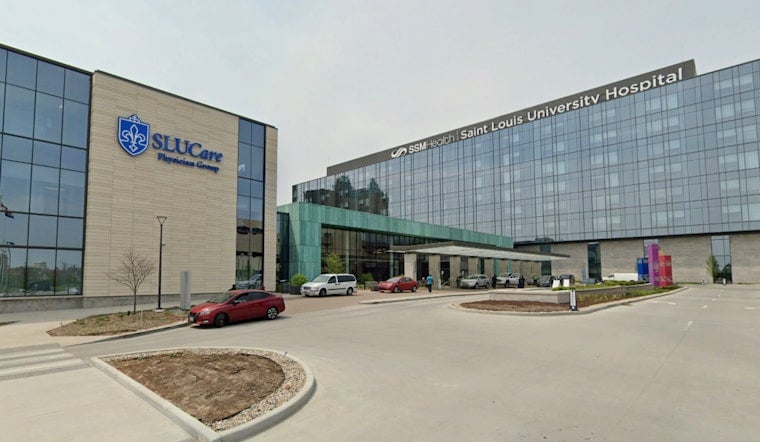
SSM Health has agreed to shell out $1 million to resolve federal allegations that pharmacy staff at its St. Louis hospital routinely waived patient copayments, a move federal officials say drove up what was billed to Medicare and the Federal Employees Health Benefits Program. The deal follows a whistleblower complaint that kicked off a federal review and serves as a pointed reminder that even small billing decisions inside a hospital pharmacy can land under a very bright federal spotlight.
According to the St. Louis Business Journal, federal officials say the waiver practice inflated costs passed along to the government programs, and the whistleblower who filed the qui tam complaint is in line to collect about $159,210 from the settlement. The Business Journal reports that Saint Louis University Hospital, part of SSM Health's St. Louis network, is the local facility tied to the matter.
Why routine copay waivers draw scrutiny
Federal regulators have warned for years that routinely forgiving copays or deductibles is not just a nice customer service gesture. It can misrepresent the actual price being charged and can be treated as an improper inducement under the Anti‑Kickback Statute. The HHS Office of Inspector General has gone so far as to issue a Special Fraud Alert that flags blanket copay‑waiver programs as a potential source of civil monetary penalties and even exclusion from federal health programs. That legal backdrop explains why cost‑sharing “freebies” so often wind up on enforcement radars.
How federal enforcement has treated similar schemes
Prosecutors have taken on copay‑waiver schemes elsewhere too. In 2022, a compounding pharmacy and related billing companies agreed to pay about $6.9 million to resolve allegations that their copay‑waiver practices led to inflated payments from federal health plans. The Justice Department said that case highlighted how waiving patient cost sharing can be woven into broader False Claims Act violations, not just isolated billing errors.
Local footprint, broader stakes
Saint Louis University Hospital sits inside SSM Health’s St. Louis system, which runs dozens of hospitals and clinics across the Midwest. With this settlement on the books, other pharmacy operations in the region could see more audits or tighter compliance reviews as regulators and insurers revisit whether cost‑sharing rules were properly followed.
Legal implications and the whistleblower angle
The False Claims Act allows private whistleblowers, known as relators, to file qui tam lawsuits and receive a slice of whatever the government recovers. Legal summaries and year‑end enforcement reports consistently show that whistleblower‑driven cases make up a large share of federal health care recoveries. Here, the roughly $159,210 relator award fits that pattern and shows how a single internal report can lead to a federal settlement, even when the dollar figure is modest compared with the headline‑grabbing national cases.
What to watch next
What comes next will likely show up in the paperwork. Watch for any follow‑up court filings, a formal Justice Department or HHS statement that spells out the settlement terms, and any public comments from SSM Health about policy changes or new compliance guardrails. Federal health‑care fraud enforcement has been especially active this year, including a nationwide health‑care fraud takedown announced by the Justice Department in June 2026, a signal that copay waivers and other cost‑sharing practices are still firmly on the enforcement priority list.
We will keep an eye on the docket and local statements and update this report if regulators or SSM Health release more details. In the meantime, patients with questions about their own bills should comb through their Explanation of Benefits and reach out to their insurer or the provider’s billing office if something looks off.




