

























































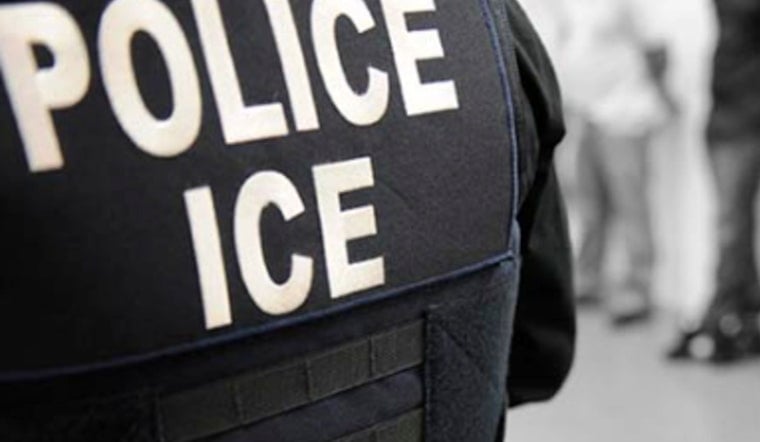
Immigration enforcement across eastern Missouri is no longer just a rumor passed along in hurried phone calls. A coalition of St. Louis nonprofits has rolled out an interactive database that maps where people are being picked up by immigration authorities and how they end up in U.S. Immigration and Customs Enforcement custody. The new dashboard pulls together reports from a volunteer-run Rapid Response hotline, interviews with detained people and monthly summaries, and is designed to give families, lawyers and local officials clearer, locally specific information than federal systems currently provide.
As reported by St. Louis Public Radio, the Eastern Missouri Immigration Enforcement Dashboard lets users explore detention locations, pathways into ICE custody, geographic trends and other key indicators. Built by a coalition of local groups, the tool is meant to turn scattered phone calls and fragmented records into a single place where affected families and community advocates can spot patterns that might otherwise stay hidden.
How the Dashboard Was Built and What It Shows
According to Ashrei Foundation, which published a detailed data explainer, the dashboard relies primarily on calls to the St. Louis Rapid Response Hotline since it launched on January 27, 2025. The information is de-identified and released in monthly reports. The explainer notes that the dataset includes 7,750 hotline calls, 853 total contacts and people from 54 countries, figures that reflect what the hotline captures rather than a complete count of every detention in Missouri. The team also updated visualizations for April and May to correct labels, clarifying that many of the arrests recorded through the hotline began with traffic stops.
Partners and Local Response
The Rapid Response Coalition, now administratively housed at Ashrei, operates the volunteer hotline that powers the dashboard. Volunteers help families track down detained loved ones, coordinate referrals to attorneys and provide on-the-ground support when enforcement activity is reported, according to the St. Louis Rapid Response Coalition. Abide in Love, a volunteer group formed to assist people detained in Missouri jails, is listed as a primary partner and stays in contact with people in ICE custody while routing calls into the hotline. As St. Louis Public Radio reported, Ashrei executive director Sara Ruiz said it is difficult to access information about immigration enforcement locally and that there is a lack of transparency in how those actions play out.
Next Steps and Public Events
Ashrei Foundation has scheduled an online briefing on Friday, June 12, 2026, with Dr. Austin Kocher to walk through the dashboard’s findings and connect local enforcement patterns with national trends. Organizers say they plan to publish monthly updates and keep past reports available so advocates, attorneys and researchers can monitor changes over time. The dashboard is framed as a practical tool for community defense, legal work and public accountability, rather than just a static data project.
For now, the Rapid Response Hotline remains the main gateway into the system. The new dashboard gives neighbors and organizations a more focused way to watch immigration enforcement close to home and to press officials for answers. People can report suspected enforcement activity or request assistance by calling 314-370-7080, according to the St. Louis Rapid Response Coalition. Advocates say that by turning phone calls into maps and monthly reports, the region gains a firmer foundation for legal support and policy questions.





