

























































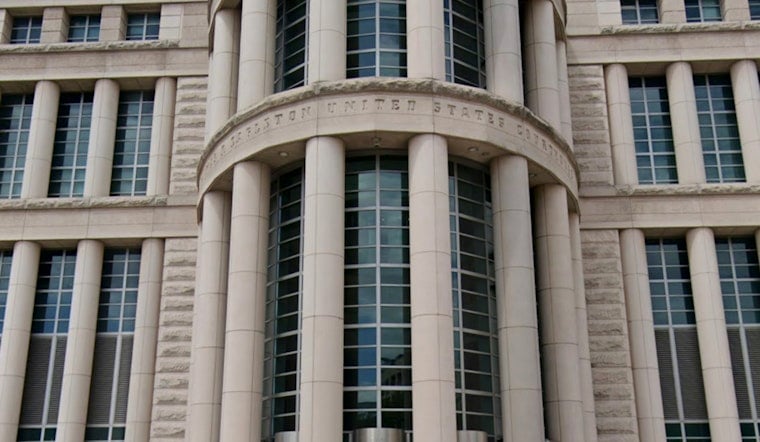
A federal securities class-action lawsuit filed June 25 in U.S. District Court in St. Louis accuses Peabody Energy and three top executives of talking up the readiness of the company’s marquee Centurion coal mine while behind-the-scenes problems dragged on, allegedly keeping the stock price artificially high. The complaint says executives repeatedly told shareholders Centurion would hit full longwall production by March 2026 even as commissioning snags persisted at the high-profile operation tied to the company’s long-standing downtown St. Louis footprint.
What the lawsuit alleges
The suit, brought by investor Kevin McGeachy, names Peabody Energy along with officers James C. Grech, Mark A. Spurbeck and Marc E. Hathhorn. It alleges the defendants “disseminated materially false and misleading statements” about Centurion’s ramp-up, according to the complaint. McGeachy seeks to represent anyone who bought Peabody common stock between Oct. 14, 2024 and May 4, 2026, asking the court for damages and other relief. The filing argues that these alleged misstatements kept Peabody’s shares trading at “artificially inflated prices.”
Timeline and Peabody disclosures
The complaint zeroes in on a sequence of disclosures from Peabody. On March 30, the company told investors in a Regulation FD filing that Centurion was expected to deliver roughly 250,000 tons in the first quarter, far below earlier expectations of about 700,000 tons, according to a March 30 SEC filing. Then on May 5, Peabody issued its quarterly results, saying Centurion’s commissioning period had been extended and production guidance trimmed, as reflected in Peabody’s May 5 earnings release.
Those two updates forced analysts and investors to rethink what Centurion would contribute in the near term to Peabody’s metallurgical coal output. According to the lawsuit, that one-two punch is what exposed the “disconnect” between earlier upbeat statements about the project and the mine’s real-world performance.
How investors reacted
The market was not subtle. Once Peabody cut its guidance, the company’s share price dropped sharply on March 30, with the complaint putting the single-day slide at about 9.7%. The suit contends that this sudden drop reflected the unwinding of previously inflated prices and financially hurt investors who had bought stock during the period when Centurion’s prospects were allegedly overstated.
Local context and next steps
Local coverage in the St. Louis Post-Dispatch has highlighted Peabody’s long presence in downtown St. Louis, alongside the company’s previously announced plan to move its headquarters to Des Peres in 2025. Multiple plaintiff firms have since posted notices inviting shareholders to explore potential claims. For example, Hagens Berman and BFA Law have both circulated investor alerts tied to the Centurion allegations. Peabody’s public statements about the mine are collected in the March 30 and May 5 filings and in its earnings materials.
What to watch
The case has been docketed in the Eastern District of Missouri and will move through early procedural skirmishes, including potential motions to dismiss and a contest over which law firm will be appointed to lead the putative class. Investors who believe they might fall within the proposed class period are being urged to review notices from plaintiff counsel as the case ramps up. The lawsuit seeks damages, attorneys’ fees and other relief as the litigation unfolds. Hoodline will monitor court filings and local coverage for further developments.





