

























































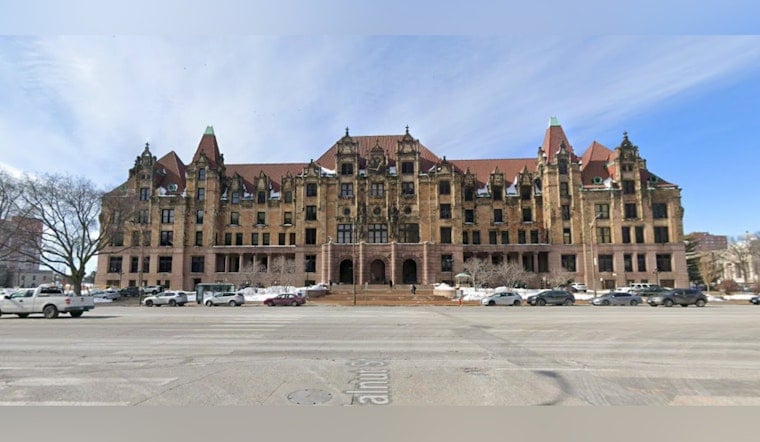
The future of water service in St. Louis just got a lot more measured. On Friday, the St. Louis Board of Aldermen voted 9–6 to approve Board Bill 28, an ordinance that will require water meters on most new construction and certain rehab projects across the city. The bill now heads to Mayor Cara Spencer, and if she signs it, the new rules are scheduled to kick in on November 1, 2026. City leaders are pitching the move as a way to modernize how customers are billed, encourage conservation and better direct infrastructure dollars, all without immediately forcing existing unmetered customers to retrofit.
According to the City of St. Louis, Board Bill 28 is written to apply prospectively. That means it covers new service connections, newly subdivided parcels and “major rehabilitation projects” that trigger a service line replacement, while leaving existing lines to separate policy later. The ordinance hands the Water Division the job of setting technical standards and overseeing installations. No new service can be turned on unless an approved meter is in place, and each new connection is supposed to get its own meter unless the Water Division signs off on a different setup. Legislative records show the bill went through committee, picked up amendments on the floor, then cleared the full Board.
Local coverage notes that the change lands at a time when a big chunk of the city is still on unmetered service and the price tag for catching up is steep. As reported by First Alert 4, roughly 82,000 water users in St. Louis remain off the meter system, and the Water Division has estimated that metering all residential customers could run around $240 million. Ward 5 Alderperson Matt Devoti, who sponsored the bill, told reporters the city could not keep putting off a shift to meters and urged St. Louis to start metering at least for new and substantially rebuilt properties going forward.
Why city leaders say it’s necessary
The Water Division and city officials have argued that meters lead to fairer, usage-based billing, help cut water loss and give the city better data to plan system upgrades. In a Water Division press release tied to a broader rate review, officials pointed to a revenue sufficiency study and aging infrastructure as key reasons for both the rate proposal and the decision to start metering new connections. City messaging casts the new requirement as a targeted first step that lets the utility update its billing practices without immediately rolling out a citywide retrofit mandate.
What builders and homeowners will face
Under the ordinance, the cost of installing meters for new service connections or qualifying rehab projects will generally fall on applicants, developers or property owners. Once a meter is in place, the Water Division will own and maintain it. The bill ties subdivision plats, building permits and certificates of occupancy to compliance with the meter rules, effectively making meter installation a prerequisite for activating new service. The text sets November 1, 2026 as the effective date for these forward-looking provisions and leaves any decisions about retrofitting existing, unmetered service lines to future policy or separate legislation.
Legal implications
The ordinance explicitly authorizes the Water Division to administer and enforce the new requirements, including the power to deny or withhold water service for noncompliance. Legal observers note that this kind of language makes the program practically enforceable through the basic on or off switch of service. The bill also includes a severability clause and a fiscal note that labels implementation costs as indeterminate, leaving it to the Water Division and city permitting offices to work out the technical standards and day-to-day procedures for rolling the rules out. Those enforcement and administrative details are outlined in the city’s bill documents.
What happens next
Board records show the measure has been formally sent to Mayor Cara Spencer, who will now review the ordinance and decide whether to sign it, veto it or send it back with suggested changes. If she signs Board Bill 28 as written, the new rules for prospective connections are scheduled to start on November 1, 2026. The Water Division will then be responsible for filling in the blanks on implementation, including setting any applicable fees, technical standards and policy exceptions under its newly granted authority. Developers and residents who want to see the full text and related guidance can find the bill documents and Water Division materials on the city’s website and the utility’s newsroom.
The Water Division has posted background information and contact details on its site, and residents with questions about permits or meter installation can reach out to the division’s public information office listed in its press materials.





