

























































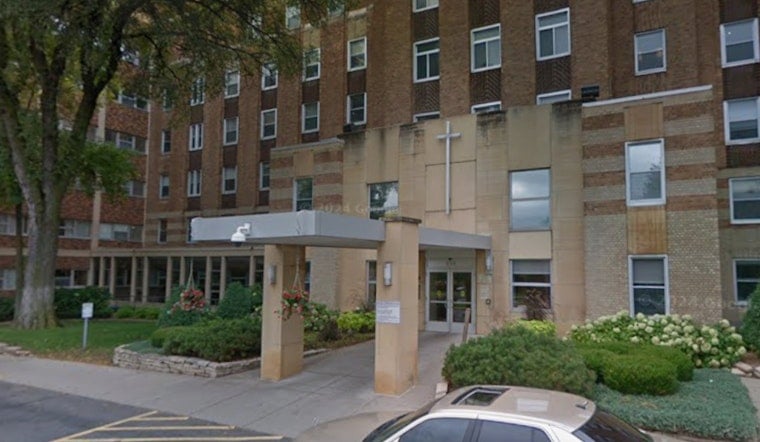
Less than a year after opening its doors near the Minnesota State Capitol, Capitol Park Mental Health Hospital in St. Paul is under fire from employees and patients' families who say the new facility is understaffed and failing to keep people safe. Staff who signed on for a modern, calming inpatient environment now describe missed medications, thin clinical coverage and security gaps that have driven some caregivers to walk away. The criticism comes even as the hospital, which was built to add badly needed psychiatric beds, is still in its ramp-up phase.
According to the Star Tribune, seven current and former employees said they quit or were weighing whether to leave because of persistent understaffing, a security setup that leans on wearable panic alarms instead of in-house security officers, and cases where medical needs were delayed or missed entirely. The paper reports that the hospital, which is co-owned by Acadia Healthcare and Fairview Health Services, has a licensed capacity of 144 beds yet was staffing significantly fewer as it slowly scaled up. Staffers and family members described missing care plans, unfilled prescriptions and rapid turnover that they say eroded any sense of safety.
State waiver and monitoring rules
The Minnesota Department of Health granted Capitol Park an exception to the long-standing state hospital-construction moratorium in 2022, and the agency required ongoing reporting to keep tabs on the new facility, according to an MDH guidance document. The department's "Form and Manner" guidance spells out monthly, quarterly and annual reporting templates and instructs hospitals to upload discharge and staffing data to a secure MDH CloudDrive. Those submissions are meant to give MDH a window into whether the additional beds ease pressure on the broader system or instead create new risks that need to be addressed.
Acadia's legal background
Acadia Healthcare, which runs day-to-day operations at Capitol Park, has drawn federal scrutiny in recent years. The U.S. Department of Justice announced a roughly $19.85 million settlement with Acadia over allegations of medically unnecessary inpatient behavioral health services, and the company disclosed a roughly $179 million securities-class settlement in its SEC filings. Those legal and regulatory run-ins have made some local advocates and officials wary of large for-profit companies taking a bigger role in the region's psychiatric bed capacity.
Workers and families describe care gaps
Workers and family members told the Star Tribune about specific incidents that shook their confidence. In one case, they said a patient with diabetes received medication irregularly. In another, a family said a relative's heart medication was not given for three days. Volunteers, they added, sometimes arrived on the units without formal care plans. Several of the hospital's original medical staff have left since the opening, and current employees said safety drills and training did not always hold up in real-world situations. Those experiences, workers said, have left both caregivers and patients feeling exposed.
What Fairview and Capitol Park say
Fairview, the nonprofit partner that supplies the hospital's medical staff and holds a minority ownership stake, says the project is meant to expand access to inpatient mental health care in the region. Fairview's description of the partnership with Acadia highlights the 144-bed capacity and states that Fairview clinicians are responsible for patient evaluations and treatment decisions. Capitol Park's own website lays out its programs, visitation policies and address as the facility continues to admit patients.
Regulatory next steps and local context
State regulators still have the authority to review the hospital's required data submissions and intervene if patterns point to unsafe staffing or care. MDH's reporting templates call for detailed information on unit-level staffing, transfer requests and discharge outcomes, all intended to support those evaluations. Advocates say the current dispute underscores how difficult it is to add beds without matching investments in workforce and on-the-ground security. For now, MDH's reporting framework remains the main tool for tracking whether Capitol Park's operations stabilize as it moves toward its licensed capacity.
For families seeking help, NAMI Minnesota maintains local resources and guidance, and the 988 Suicide & Crisis Lifeline is available nationwide by dialing 988 or visiting 988lifeline.org. If you or someone you know is in immediate danger, call 911 or contact local emergency services.





