

























































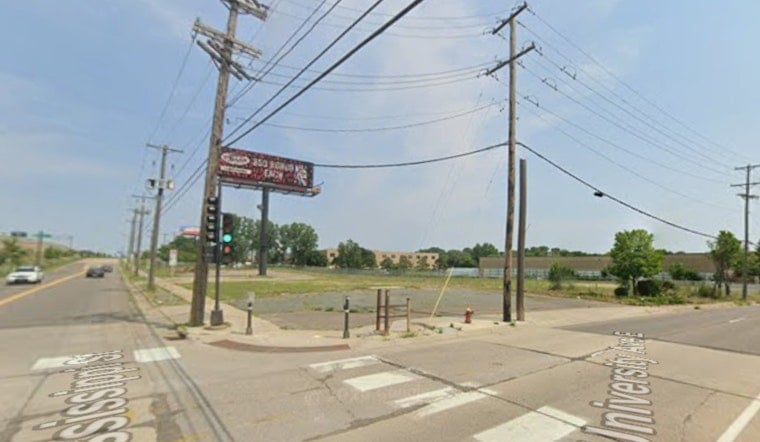
St. Paul is getting a serious new way to keep downtown cool. District Energy St. Paul has broken ground on a new chilled water plant at University Avenue and Mississippi Street that officials say will expand downtown cooling capacity and clear the way for more office and mixed‑use projects. The Capital City Thermal Plant will be built around a large chilled‑water storage tank and will be hard to miss from Interstate 35E as the structure goes up. District Energy estimates the added capacity will let it cool roughly 700,000 additional square feet of modern commercial space downtown.
Twin Cities Pioneer Press reports that crews will install a roughly 2,000,000‑gallon chilled‑water storage tank on the site and construct an energy center around it, with work expected to continue in phases through the summer of 2028. The project sits at University Avenue and Mississippi Street, will be visible from I‑35E, and is intended to give District Energy room to cool about 700,000 more square feet of downtown commercial space.
What the plant will do
District Energy's 2025 annual report notes that the utility "broke ground on a new chilled water facility" and identifies the project as the forthcoming Capital City Thermal Plant, describing it as an expansion of the company's ability to serve downtown customers. The plant is framed as a way to boost capacity without forcing every new building to install its own large chillers, which can cut construction costs for developers while centralizing maintenance and efficiency gains. As outlined by District Energy, the project fits into a broader push to modernize downtown thermal infrastructure.
Thermal storage and engineering
District Energy has long used chilled‑water storage to shift electricity use to off‑peak hours and smooth out spikes in cooling demand. Engineering work has examined multi‑million‑gallon tanks for that purpose. A TKDA study looked at converting a 2.5‑million‑gallon tank to dual use, and an HGA project page documents storage tanks holding more than four million gallons. Those details help explain why a large chilled‑water tank sits at the center of the new plant's design.
In a press release quoted by Twin Cities Pioneer Press, District Energy President and CEO Luke Gaalswyk said "the new capacity is an investment the community asked for and important to lay the groundwork with facilities and infrastructure needed to support downtown growth." The company is pitching the Capital City Thermal Plant as a way to meet rising downtown demand while avoiding redundant on‑site chillers in new buildings.
Why it matters for downtown
District Energy St. Paul has been modernizing downtown thermal infrastructure for decades. The system dates to the late 1970s, added district cooling in 1993, installed a biomass‑fueled combined heat and power plant in 2003, and brought a large hot‑water solar array online in 2011. Those changes helped the utility cut emissions and keep rates stable. That track record is why city planners and developers are watching the Capital City Thermal project, as District Energy argues that centralized cooling can lower construction costs and shrink the carbon footprint of new projects. For more on the system's evolution, see District Energy.
Construction of the Capital City Thermal Plant is expected to be visible from the freeway corridor and will roll out in phases through the summer of 2028, according to city and company materials. Downtown property owners and the development community will be watching to see whether the new plant makes it easier and faster to move ahead with projects that need reliable, centralized cooling capacity.





