

























































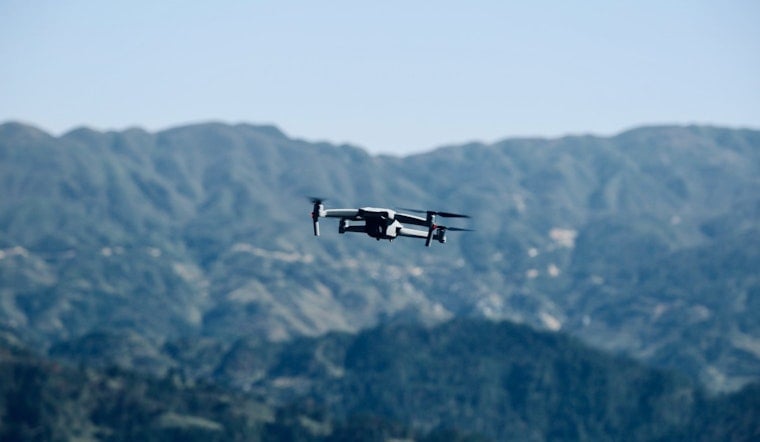
St. Paul’s expanded docked-drone program is already swooping in on some high-priority 911 calls before squad cars can get there, according to police officials. Per department data reported to local media, the rooftop-based drones have flown 365 missions since the program launched on May 30, often streaming live video to dispatchers and commanders and, in some cases, cancelling the need for an officer response altogether.
So far, the drones have been the first to arrive at a scene about half the time, and in roughly 11 percent of launches officers ultimately did not have to respond. The initial rollout put three drones and docking stations on rooftops across the city, at a reported cost of about $350,000, as reported by Pioneer Press.
How the program works
The docked drones live in rooftop stations and launch in response to certain high-priority 911 calls so pilots and commanders can get eyes on a scene within minutes instead of waiting for a patrol car to crawl through traffic. According to a program overview from the City of St. Paul, a drone can reach a call two miles away in under three minutes, and typically shaves four to seven minutes off a comparable drive time.
Privacy and transparency
City officials say privacy safeguards are baked in, not bolted on. Every flight is logged, video is kept for seven days unless it becomes evidence in a case, and the drones do not use facial-recognition technology. The department has also rolled out a public flight dashboard and posted program materials online through the City of St. Paul.
Civil-liberties groups, including the ACLU, are not exactly cheering from the sidelines. They warn that rapid adoption of docked-drone systems raises fresh surveillance concerns and are pushing for tighter limits and more robust community oversight.
City review and reaction
City Council members have been pressing the police department for details on how, when, and why the drones are used. Councilmember Anika Bowie said residents “deserve transparency and meaningful information” about public-safety technology, and her colleagues appear to agree.
The City Council’s public-safety committee is slated to take up the department’s technology portfolio, including the docked-drone program, at a midday meeting Wednesday. Police leaders insist the drones are meant to supplement, not replace, officers on patrol, according to reporting from the Star Tribune.
What the law allows
Minnesota law already narrows when police may deploy drones without a warrant, carving out exceptions for emergencies, missing-person searches, crash reconstructions and other specific uses. St. Paul police say their policy tracks those state statutes along with federal aviation rules, the Star Tribune reports.
The trade-off is now squarely on the table at City Hall: faster response and better intel from above versus broader overhead surveillance. That is the debate city leaders and privacy advocates are hashing out in real time.
For now, the department says it will keep a close eye on the numbers, watching time-to-arrival, officer safety metrics and how often drones prevent unnecessary patrol responses. The public flight dashboard and program one-pager are meant to give residents their own window into how often the drones fly and why, and the city has opened a feedback channel so people can weigh in on its public-safety technology choices, according to the City of St. Paul.





