

























































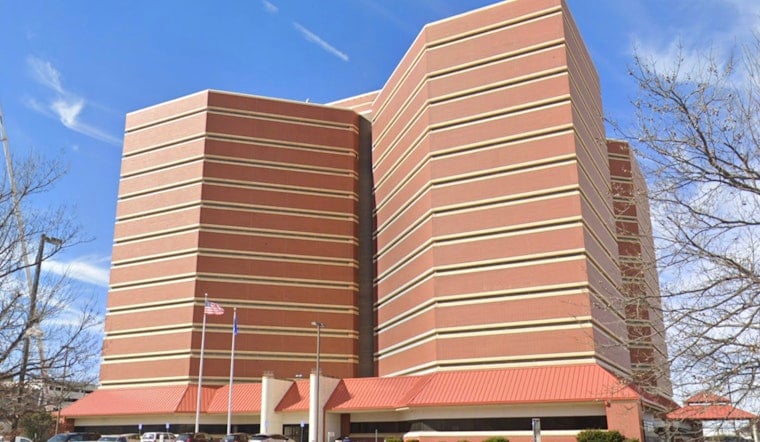
The Oklahoma County Detention Center is once again on the wrong side of state regulators, with health inspectors finding the downtown facility "not in substantial compliance" after its latest review. The new determination follows a run of failed health inspections and piles on pressure for county officials who have struggled for years to steady operations at the lockup. Families of people who have died in custody, along with advocates, say the findings highlight the same old problems with staffing, sanitation and medical care that never seem to get fixed.
State probe: a dozen failed inspections
According to The Oklahoman, the Oklahoma State Department of Health determined the jail had failed a dozen health inspections in a row and therefore was "not in substantial compliance" with state detention standards. The latest review revisited a long list of issues that have shown up in earlier examinations of the troubled facility.
What inspectors documented
The department's statement of deficiencies lists missed hourly sight checks, obstructed or obscured cell-door windows, widespread unsanitary conditions, evidence of mice, bedbugs and roaches, and lapses in medication administration and medical follow-up, according to the Oklahoma State Department of Health. Inspectors also noted severe staffing shortfalls that left one or two officers in charge of large numbers of housing pods, a setup that makes consistent monitoring and timely medical care extremely difficult.
Long-running problems and policy background
None of this is exactly new. A 72-page OSDH examination released last year and reporting by public media outlets documented many of the same staffing and sanitation failures, KGOU reported. On top of that, Oklahoma's new Jail Standards Act, passed in 2025, requires yearly inspections of county facilities, but state records and reporting compiled by KOSU show dozens of jails around the state have struggled to meet those benchmarks in recent years.
Local fallout and legal exposure
County leaders and the Oklahoma County Criminal Justice Authority say they will review the newest inspection findings and submit plans of correction, according to The Oklahoman. The consequences go beyond state penalties. Earlier this spring, a federal jury awarded $2 million to an estate after finding staff failures contributed to an in-custody death, a verdict chronicled in coverage of the $2 million verdict that advocates cite as a stark example of the legal and human costs of leaving systemic problems unaddressed.
What comes next
Under state rules, the Department of Health can demand written corrective plans, move to decertify the jail for certain uses such as housing juveniles, or refer unresolved violations to the attorney general. Advocates say they are watching to see whether regulators take a tougher line this time. County officials, for their part, say they will lay out specific corrective steps in the coming weeks while families and legal teams continue to push for faster accountability.





