

























































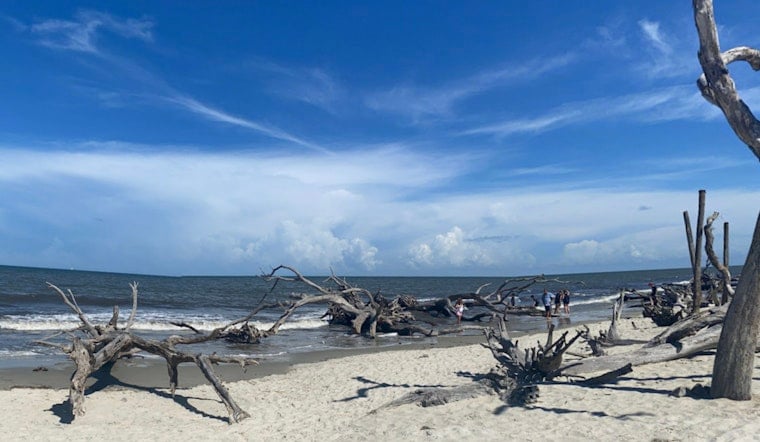
Some of Georgia's most beloved beaches are landing on a list no coastal town wants to brag about. State environmental regulators have flagged stretches of Tybee Island, Jekyll Island and St. Simons Island after routine testing turned up elevated levels of enterococci, a bacteria used as a red flag for possible fecal contamination. The results appear on Georgia's draft 2026 list of impaired waters and are tied to proposed Total Maximum Daily Loads released by the Georgia Environmental Protection Division on May 29, 2026. Officials say they have not yet pinpointed specific pollution sources and will take public comments before locking in cleanup plans.
Which Beaches Were Named
In a May 29 notice, the Georgia Environmental Protection Division called out several specific stretches on St. Simons Island, including North Beach at Goulds Inlet from Fifteenth Street to Tenth Street, the Middle Beach area near the old Coast Guard station, the shoreline at Massengale Park and the access at the Fifth Street crossover. The same notice lists Jekyll Island's Driftwood Beach from Beach KM Marker 1 to Tallu Fish Lane, along with two Tybee Island spots: Polk Street Beach from the end of the beach to the jetty, and Strand Beach at the Pier from 11th Street to 18th Street.
What Enterococci Means for Swimmers
Enterococci are bacteria that live in the intestinal tracts of warm-blooded animals, which is why scientists use them as a stand-in for fecal contamination in marine waters. The EPA notes that elevated enterococci levels are linked to higher risks of gastrointestinal and other illnesses for swimmers, so state beach programs rely on those counts to decide when to put up advisory signs.
What's Next: TMDLs and Public Input
To bring the affected beach segments back into compliance, EPD is proposing new Total Maximum Daily Loads and has opened a public comment window that runs through July 16, 2026, according to the Georgia Environmental Protection Division. After reviewing comments, the agency will finalize the TMDLs and send them to the U.S. EPA. While that process plays out, local health departments could issue advisories or share updated sampling results.
Local Response and What to Watch
Local health officials and county departments typically step in with beach advisories when monitoring shows high bacteria levels. The Georgia Coastal Health District has previously announced advisories on Tybee and St. Simons when enterococci readings climbed. Local coverage of the latest impaired listings surfaced on June 24, 2026, with WSB-TV reporting on community reaction and how residents can reach county officials for more information.




