

























































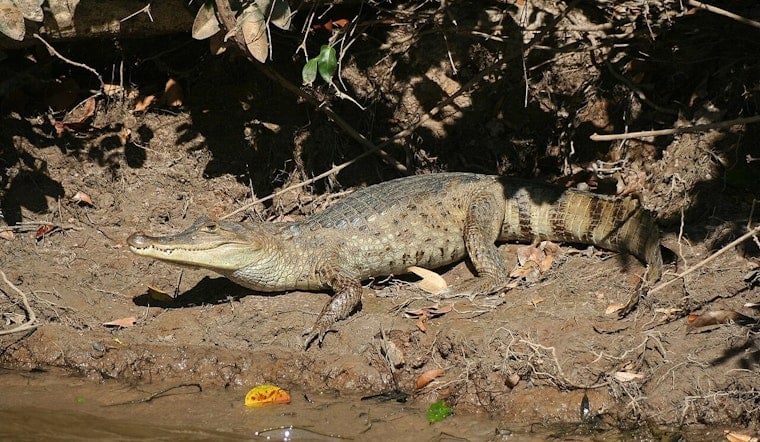
A relatively small crocodilian is quietly muscling into South Florida's canals and backwaters, and biologists say the animals are now reproducing in pockets around the metro area. Spectacled caimans, which are native to Central and South America, look like smaller crocodiles and are often mistaken for juvenile alligators. The rising number of sightings and captures has pushed university researchers and state managers to ramp up monitoring and response.
Where They Are Turning Up
Local reporting and agency data show this is no longer a case of one-off oddities. As reported by The Palm Beach Post, researchers and field crews have documented nests and juveniles in canal systems and say breeding populations exist in Miami-Dade and Broward counties. The Florida Fish and Wildlife Conservation Commission notes that caimans are an established exotic species in southeastern Florida, and that occasional freezes tend to limit their spread farther north.
What The Science Shows
A recent peer-reviewed review in Frontiers in Amphibian and Reptile Science compiles decades of records and warns that the species has been recorded everywhere from urban canals to coastal wetlands. That raises the prospect of competition with native alligators and crocodiles. Field studies included in the review document nesting in parts of the Everglades footprint, which could complicate restoration actions that move more freshwater through the system.
Diet and necropsy work published in the Journal of Herpetology shows that removed caimans eat turtles, fish, birds and small mammals, a generalist diet that can put additional strain on vulnerable local populations.
Who Is Responding
Researchers at the University of Florida's Croc Docs program run focused trapping, necropsy and monitoring to keep core populations low while studying impacts on native wildlife, according to the Croc Docs. The team coordinates with state and federal partners to remove animals quickly when they are detected.
The South Florida Water Management District's South Florida Environmental Report documents those interagency efforts and notes that targeted removals have taken roughly 291 caimans since 2011 and that caimans are regulated as Class II wildlife, which requires permits for possession and exhibition (South Florida Environmental Report).
How Residents Can Help
Officials urge residents not to try to capture, feed or move a caiman, and to keep children and pets away from canal edges. Sightings should be reported promptly. Call the Nuisance Alligator Hotline at 1-866-FWC-GATOR (1-866-392-4286), or use the FWC Exotic Pet Amnesty Program to surrender unwanted nonnative pets instead of releasing them into the wild.
Bottom Line
Managers say that sustained removal and monitoring have driven down encounter rates in survey areas, suggesting that local extirpation is possible with continued effort, according to the South Florida Environmental Report. At the same time, scientists warn that changing climate and water-management patterns could shift caiman habitat and movement, so officials say vigilance and reporting remain key as restoration work continues.



