

























































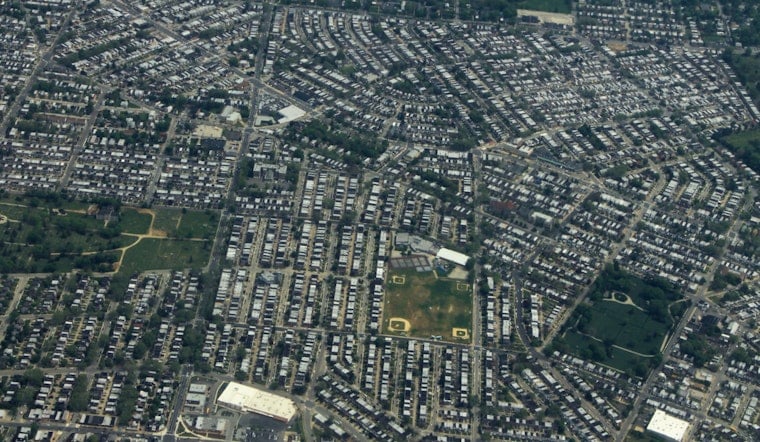
Philadelphia homeowners are about to find out what their properties are really worth in the city’s eyes, and many will not love the number. In the coming weeks, updated property-assessment notices will start landing in mailboxes, setting the values that will be used to calculate real estate tax bills in March 2027. For most residents those new numbers will be higher than the ones mailed more than two years ago, which could mean noticeably larger tax bills. Once the notices arrive, owners will have a fairly short runway to decide whether to appeal, sign up for relief programs, or work out how they will cover the bill.
As reported by WHYY, the Office of Property Assessment plans to post the full set of updated values online by the end of June and begin mailing Notices of Proposed Valuation in the coming weeks. These mailers are not tax bills, but they do lock in the taxable values the city will rely on to calculate upcoming real estate taxes.
How to challenge the number
Homeowners who think the city overshot on their new valuation get two free ways to push back. One is a First Level Review, which is an informal check with the Office of Property Assessment. The other is a formal market-value appeal to the Board of Revision of Taxes.
The First Level Review is paperwork only, with no hearing. Owners submit documentation to show why the proposed value is off, such as recent appraisals or sales of similar homes. City guidance walks through how to file and what counts as solid evidence, according to the Office of Property Assessment.
Programs that can blunt the hit
The city also has several relief tools meant to soften tax increases rather than fight the value itself. The homestead exemption cuts a homeowner’s taxable value by $100,000. The Longtime Owner-Occupants Program, or LOOP, can cap how much an assessment can jump for eligible owners who meet rules about how long they have lived in the home, their income, and how large the increase is.
Under certain conditions, for example, a property value that jumps from $150,000 to $250,000 could be capped at $225,000 instead, as explained by WHYY. Seniors and low-income homeowners may also qualify for tax-freeze programs that can lock in their bill at a prior level, and in some situations those freezes can be applied retroactively.
Formal appeals and the calendar
If a First Level Review does not fix the issue, a homeowner can file a formal appeal with the Board of Revision of Taxes and request a hearing. Those formal cases do not move quickly and can take a year or more to wrap up.
The Board’s website lists October 5, 2026, as the deadline to file a 2027 market-value appeal. Advocates have long urged owners to use the available appeal routes while still keeping up with tax payments, according to reporting from The Inquirer.
What to do right now
When your envelope shows up, do not just toss it on the kitchen counter and forget it. First, look up your property on the city’s online portal and confirm that all the details match reality. Check whether you already have the homestead exemption and, if not, whether you qualify. Then weigh which option makes the most sense for you: filing a First Level Review, preparing for a formal appeal, or leaning on one of the relief programs.
If the paperwork feels overwhelming, legal-aid groups and housing counselors in Philadelphia can help with gathering evidence and filing forms. City and media reporting note that this assessment round is part of a restarted revaluation effort that, according to city documents and local coverage, is expected to include outside review of the city’s methods and accuracy. For more background on the reassessment timeline and how the process has unfolded, see Axios.




.jpg)