

























































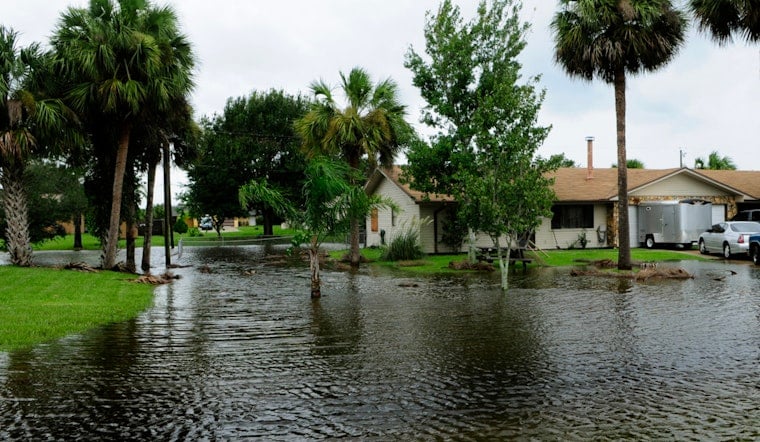
Gov. Kevin Stitt signed an emergency declaration Sunday after heavy rain and flash flooding swamped parts of eastern Oklahoma, pushing local officials into full response mode. County and municipal crews have started damage assessments while law enforcement and first responders warn drivers to steer clear of flooded roads and low-lying trouble spots.
Stitt Signs Emergency Declaration
Stitt’s order was signed “effective immediately” and could be expanded to cover more areas as damage reports come in, according to KTUL. The station reports that officers have been keeping an eye on flooded locations and putting out travel warnings as communities tally up what the water left behind.
Flood Watches And Warnings
Flash-flood warnings and a broader flood watch went up for much of eastern Oklahoma after rounds of heavy showers and thunderstorms dropped intense rainfall, according to the National Weather Service in Tulsa. Forecasters warned that creeks, small rivers and urban drainage systems could rise quickly, leading to dangerous flooding on roads and around homes and businesses.
How To Report Damage
Homeowners and business owners are being urged to document and report any flood damage so local and state emergency managers can coordinate their response. Reports can be filed online at damage.ok.gov. Residents can also reach out to their local emergency management office to submit damage information and get details on shelters and available resources.
Why This Matters
Stitt’s declaration follows an active spring of severe weather in Oklahoma and continues a pattern of the governor using executive orders to free up state resources, according to a press release from the governor's office. Those earlier orders also pushed Oklahomans to report damage so officials could gauge needs and weigh potential federal assistance.
Officials are urging residents to follow local warnings, stay off flooded roads and keep an eye on local forecasts and emergency alerts. The National Weather Service repeats a familiar line for anyone tempted to drive through high water, “Turn around, do not drown,” when they come across a flooded roadway. For non-emergency disaster information, people in Oklahoma can call 2-1-1 or follow updates from local emergency managers and the National Weather Service.





