

























































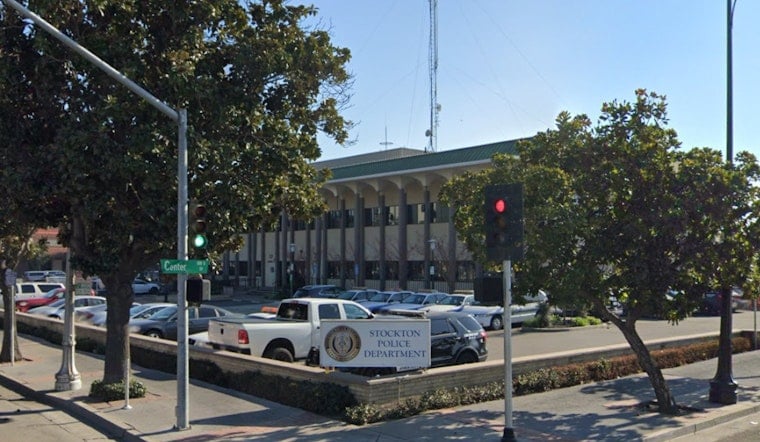
Stockton police are rolling out body-worn cameras that do more than just record. The devices can translate conversations in real time into more than 50 languages, officials say, and city leaders tout the feature as a way to cut interpreter wait times and speed emergency responses in Stockton's multilingual neighborhoods.
Chief Stanley McFadden recently demonstrated the tool and said the rollout covers more than 300 sworn officers, according to CBS Sacramento. The move comes in a city where nearly half of the residents speak a language other than English at home, according to the U.S. Census Bureau.
How the Translation Works
The real-time translation feature runs through Axon's Assistant, which is built into the Axon Body 4 camera. Officers press and hold a push-to-talk button, the camera either auto-detects or is set to a specific language, and translated audio plays back within seconds, according to Axon. The company says translations and time-synced transcripts are captured along with the body-worn video for later review, and its documentation warns that translated output should not be used as evidence for prosecution unless a human-certified interpreter verifies it.
Local Rollout And Procurement
Mayor Christina Fugazi called the upgrade a game-changer during the announcement, and police spokespeople say officer training on the new feature is underway, as reported by Stocktonia. The addition builds on a five-year master services agreement the City Council approved last November to purchase Axon cameras, TASER devices and cloud evidence services, according to city documents.
Where Else It’s Being Tried
Stockton joins a growing list of agencies piloting or adopting similar tools. Norwalk, Conn., upgraded its Body 4 cameras with Axon's real-time translation on a trial basis earlier this year, and other counties and cities have launched pilots or deployments as well. Local departments say the technology shortens the time spent waiting for interpreters during routine stops and minor incidents.
Safety, Privacy And Legal Questions
Civil-liberties groups and watchdogs have urged caution as police add AI features. The Electronic Frontier Foundation has raised concerns about other Axon AI products, especially around audit trails and transparency for AI-generated police reports, while coverage of Axon's earlier ethics work noted the company once declined to embed facial recognition in body cameras because the technology was not currently reliable enough to ethically justify its use, according to reporting by The Washington Post and analysis from the Electronic Frontier Foundation. Axon says it has added features intended to preserve audit logs and original AI drafts for review, and agencies emphasize human review and training before treating translations as evidence.
Stockton officials say the new translation tool is meant to improve service and officer safety while the department monitors accuracy and policy implications as usage grows, according to local reporting.




