

























































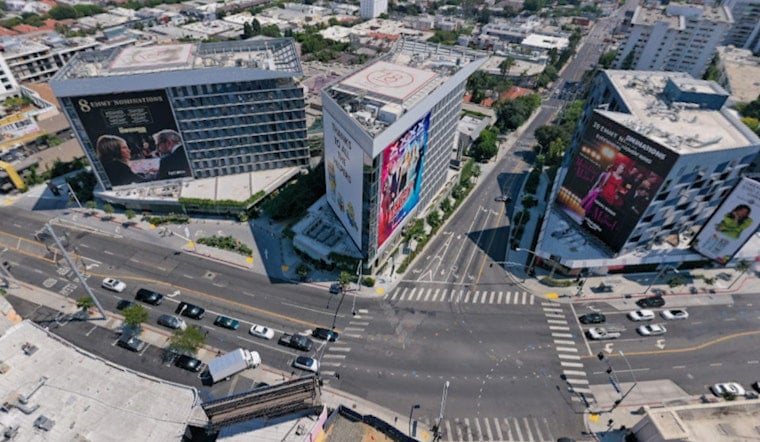
On a Sunset Strip lined with papered-over windows and familiar "For Lease" placards, one of the most recognizable names behind those signs is betting the quiet will not last.
Commercial power broker Jay Luchs says national retailers and restaurants are signing on the dotted line and predicts the Strip could look substantially different within a year. That kind of talk has investors perking up and some longtime business owners bracing for impact, worried that a rush of big brands could steamroll what is left of the corridor’s music-era vibe.
Luchs, an Executive Vice Chairman at Newmark, laid out the coming changes in an interview with regional press, calling the Strip "reinventing itself," according to The New York Post. He is listed as an Executive Vice Chairman on his firm bio and is widely known in the Los Angeles retail market for landing flagship and pop-up storefronts across Rodeo Drive, Melrose and Sunset Boulevard. His Newmark profile notes his work placing brands and representing landlord listings in West Hollywood and the broader L.A. market.
Out-of-town names are already moving in
Some of the new wave is already visible on the ground. Miami-born Pura Vida opened on the Strip in early May, and Blank Street Coffee, the New York matcha-and-espresso chain, has signed for space in Sunset Plaza, among other recent deals. SFGATE and local listings show several national and regional concepts testing the market, and brokers say more leases are in the works.
City data and local plans paint a mixed picture
For all the new signage and optimism, the Strip is still carrying plenty of slack. Retail vacancy is sitting in the double digits, and office space is faring even worse, figures highlighted in recent State of the City materials and summarized in local reporting. WEHOonline reports that the State of the City placed retail vacancy on the Strip at about 10.3 percent and office vacancy near 16.3 percent.
City Hall is not just watching from the sidelines. West Hollywood officials are actively eyeing policy tools, from updated signage rules to a reconceived Sunset music festival, in an effort to boost foot traffic and preserve live-venue uses, according to a recent staff presentation to the City Council. That strategy is outlined in a West Hollywood staff report.
Locals are split on what that will mean
On the street, the verdict is far from unanimous. Some longtime operators and residents say the Strip has already lost much of its social energy and worry that an influx of national chains will only speed that slide. As one owner told a local paper, "A lot of the businesses are struggling to break even because the cost of living is rising and the rent is rising," a warning echoed in recent neighborhood coverage.
Others in the business community point to recent openings and to the Strip’s still-robust weekend crowds at legacy venues as evidence that the corridor can be refreshed without wiping out its character entirely. WEHOonline captured both sides of that debate in its recent reporting.
For now, the clock is ticking. Luchs told reporters he expects the Strip to look much different "by this time next year," a short timeline that puts pressure on landlords, operators and city planners to turn signed leases into active storefronts and programming. New York Post relayed Luchs’ forecast, while city staff documents show elected leaders trying to line up policy and events to encourage the kind of rebound he is describing, as detailed in the West Hollywood staff report.





