

























































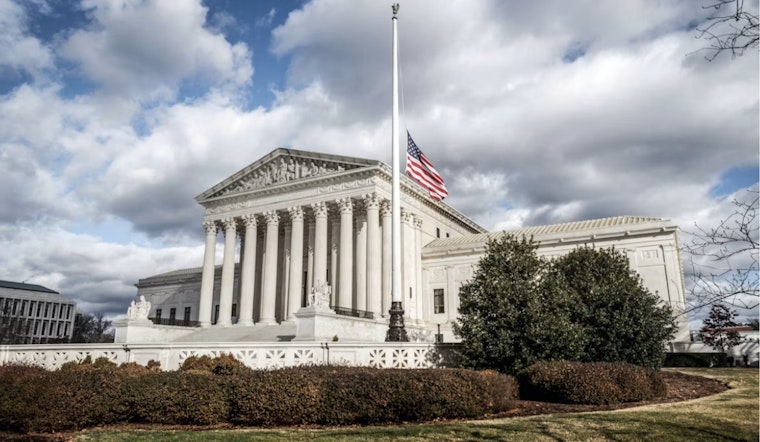
The U.S. Supreme Court today put Robinhood Markets back in the legal spotlight, asking the Trump administration to weigh in on whether the justices should hear Menlo Park-based Robinhood's bid to shut down a proposed class action over its July 2021 IPO. The dispute turns on a narrow but high-stakes question about how much companies must say about short-term, intra-quarter trends and eye-popping but fleeting trading spikes. Lawyers and investors across Silicon Valley are watching closely because the ruling could reset the rules for post IPO lawsuits across the country.
As reported by Reuters, the justices asked the administration to offer its views on Robinhood's petition, which seeks to block claims that its IPO registration statement misled investors about the brokerage's financial health and growth trajectory. That request opens the door for the Solicitor General to file a brief that the court will weigh when it decides whether to take the case.
Allegations And The Appeals Track
Lead investors Vinod and Amee Sodha accuse Robinhood of soft-pedaling how a social media-fueled burst of meme-stock and Dogecoin trading pumped up early 2021 numbers that then faded before the July 2021 offering. A federal judge in San Francisco tossed the suit in January 2024, but a divided Ninth Circuit panel partially revived the claims in August 2025. The appellate opinion, which lays out the panel's split reasoning, is posted on Justia.
Robinhood's Pitch To The Court
Robinhood contends that the Ninth Circuit's ruling would expose companies to what it calls "massive liability" and force them to disclose intra-quarter details long before formal reporting deadlines, potentially drowning investors in immaterial minutiae. Coverage in Reuters notes that the company is asking the justices to decide whether Section 11 of the Securities Act and Item 303 of Regulation S K actually require issuers to reveal that kind of short-term information ahead of schedule.
Where The Case Stands Now
Robinhood's certiorari petition landed at the high court in February 2026, followed in the spring by responses and a small stack of amicus briefs, before the matter was sent to a late May conference. The court's online docket for No. 25 944 lists the petition, the investors' opposition, and Robinhood's reply, along with filing dates and links to the documents. The full procedural history is available on the U.S. Supreme Court website.
Why Lawyers And Banks Are Watching
Securities practitioners warn that allowing the Ninth Circuit decision to stand could expand what issuers must disclose about short-lived but significant intra-quarter developments, driving up disclosure costs and early-stage litigation risk for new offerings. Analysts at Gibson Dunn flagged the ruling as a potential expansion of disclosure duties, and trade groups, including the Securities Industry and Financial Markets Association, echoed that concern in an amicus brief filed by SIFMA, warning of higher costs and more uncertainty for IPO issuers.
What happens next turns on whether the Solicitor General weighs in and how the justices view the asserted circuit split. If the court grants review, it could lay down a nationwide rule that either narrows or widens intra-quarter disclosure obligations, a decision that would ripple through deal rooms and boardrooms as companies draft their next IPO playbooks.





