

























































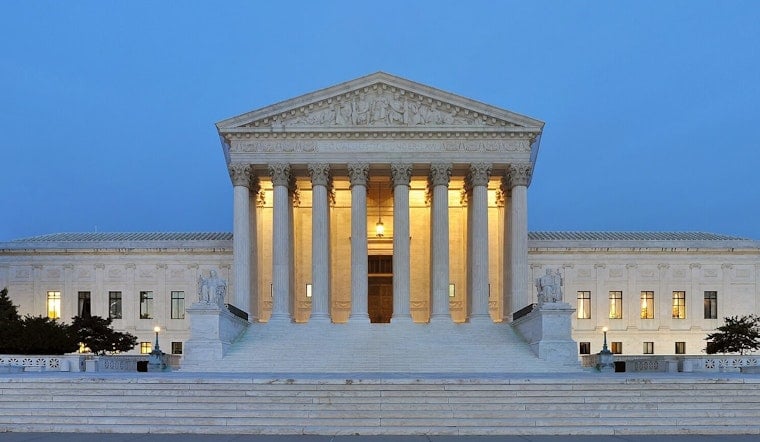
The US Supreme Court on Monday agreed to hear a Republican-led bid to bring Arizona's 2022 voting laws fully back to life, including a requirement that people show documentary proof of citizenship on the state voter registration form and a program to remove suspected noncitizens from the rolls. The move, urged by the Trump administration, sets up a high-stakes test of how far states can go in tightening registration rules before they run into federal law. It also raises the prospect of swift changes in how state and local elections are run across Arizona.
What the court will consider
The case centers on two measures passed in 2022 by Arizona's Republican-controlled legislature. One requires documentary proof of US citizenship from anyone registering with the state form. The other directs counties to use various checks to flag and cancel registrations of suspected noncitizens. The Supreme Court said it will decide whether those rules are preempted by federal voter registration law. As reported by AP News, the justices previously granted Republican backers a narrow emergency win in 2024 that allowed the state-form requirement to apply in state and local races while federal rules for federal-election registration stayed in place.
Federal-only registration and the numbers
Arizona also allows people to register using a federal form that does not demand documentary proof of citizenship. That creates a separate "federal-only" category for voters who do not provide state-level documents. Court filings show that more than 19,000 Arizonans were registered as federal-only voters as of July 2023, a figure that has loomed large in the legal fight. According to CBS News, the plaintiffs argue that Arizona's 2022 measures clash with the National Voter Registration Act and a 2018 consent decree that requires states to accept the federal form for federal elections.
Who is behind the appeal
The Republican National Committee and Arizona legislative leaders are asking the Supreme Court to reverse a Ninth Circuit decision that had blocked enforcement of parts of the laws. The Trump administration has weighed in with briefs supporting key elements of the appeal. The measures were adopted after the 2020 election, amid a broader wave of state-level voting changes and false claims about widespread fraud, according to AP News. Backers say the laws are about protecting election integrity. Opponents counter that the added paperwork and verification hurdles fall hardest on Latino, Native American and student voters.
Legal wrinkles and what is at stake
The dispute turns on a couple of knotty questions. One is whether the National Voter Registration Act leaves room for a state to insist on documentary proof of citizenship when someone uses a state form, even as that same person could register for federal races with the less demanding federal form. Another is how far a 2018 consent decree limits Arizona's options in dealing with applicants who use the federal form. Those statutory and contract-based issues underpinned the lower court rulings that Arizona officials and the RNC now want overturned. Legal observers have warned that a win for the state could inspire similar proof-of-citizenship and voter-roll purge efforts in other states, as detailed by Law360.
Next steps and timing
The Supreme Court is expected to hear oral arguments during its next term, which begins in October, with a decision likely to land after the 2026 midterm elections, according to KSAT. For now, parts of the Arizona laws remain blocked or limited by lower court orders. The eventual ruling could either open the door for full enforcement or effectively shut the program down, and either scenario would reshape how election officials and voters in Arizona navigate the tension between state requirements and federal rules.
What voters should know
Arizona voters who are not sure about their registration status, or which form they used to sign up, can check using the state's online voter lookup tools and guidance on the Secretary of State's website. The Arizona Secretary of State's office provides election services and voter resources for anyone who needs to confirm registration details or request help. For official information, visit Arizona's Secretary of State.





