

























































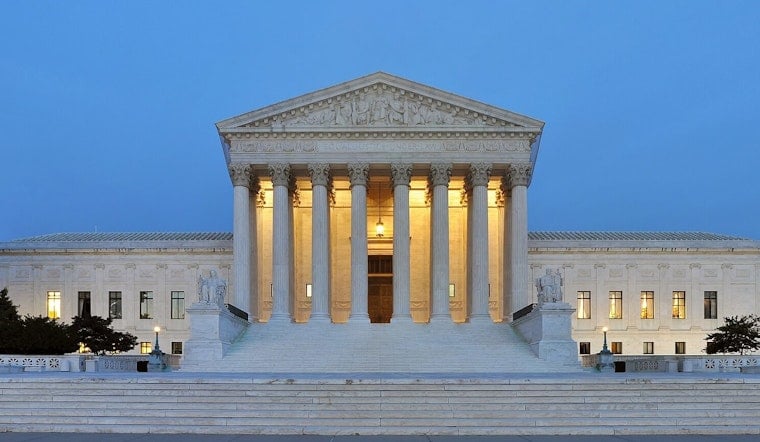
On Thursday, June 25, 2026, the U.S. Supreme Court in a 6–3 ruling struck down a Hawaii law that forced people to get explicit permission before carrying firearms into privately owned businesses that are open to the public. The majority wiped out the state’s “express-consent” requirement, better known in gun-rights circles as the “vampire rule,” and flipped the default so licensed carriers can bring guns into malls, hotels, gas stations and similar spots unless owners clearly say otherwise. The decision is a clear win for gun-rights challengers and could ripple into other states that tried similar restrictions.
What the court held
According to AP News, the majority concluded that Hawaii’s 2023 law, which required property owners to affirmatively allow licensed carriers to enter with firearms, conflicted with the Second and Fourteenth Amendments. The justices emphasized that private owners still have full authority to keep guns off their property, but said a statewide rule that makes “no guns” the default for businesses open to the public is unconstitutional. The decision continues a run of post-Bruen cases that are steadily redrawing the map of where Americans can legally carry firearms in public.
Case background
As outlined in the court’s docket at SupremeCourt.gov, the case, Wolford v. Lopez, No. 24-1046, was argued on Jan. 20, 2026. The challengers were three Maui residents and a local gun-rights group. A federal judge initially blocked enforcement of the law as it applied to private property open to the public, and the U.S. Court of Appeals for the Ninth Circuit later allowed the state to enforce it again while the litigation continued.
SCOTUSblog reports that the U.S. Solicitor General filed an amicus brief backing the challengers before the justices agreed to hear the case. Major outlets and wire services, including WKMG/ClickOrlando, later carried coverage of the decision based on that reporting.
Implications for Hawaii businesses
The ruling shifts the practical burden onto property owners who want to keep guns out. They will need clear “no firearms” signs or explicit policies to stop licensed carriers from entering while armed, according to AP News. Hawaii lawmakers had already been debating a color-coded placard system to standardize those notices at shop entrances. The red-yellow-green gun signs idea surfaced in January, as businesses tried to figure out how to send a clear message without baffling customers.
Legal ripple and what's next
Because the Supreme Court reversed the Ninth Circuit, the statute is now unconstitutional as written, and the case will head back to the lower courts for any remaining issues, SCOTUSblog notes. The justices did not address other parts of Hawaii’s firearms rules, including restrictions on carrying in parks, on beaches and in restaurants that serve alcohol. Those provisions remain tied up in separate state and federal lawsuits.
What owners and visitors should know
For now, property owners who want to keep guns out should post clear “no firearms” signs at entrances and train staff on how to enforce those policies. Without those steps, lawful carriers are allowed to enter unless they are directly told otherwise. Visitors and customers should check for posted rules or ask staff, since the basic rule going forward is simple: the presence or absence of signage will decide whether a licensed carrier can legally bring a gun onto private property that serves the public.
The June 25, 2026, ruling is the latest high-profile Supreme Court decision reshaping post-Bruen firearm law, and it is likely to trigger fast policy reviews by businesses and lawmakers in Hawaii and in other states that adopted similar statutes. We will continue to follow state and local reactions and update this story as officials and business groups respond.



