

























































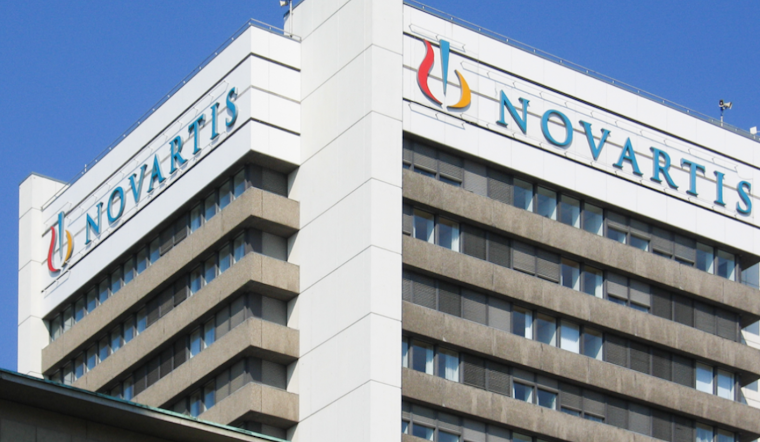
Baltimore neighborhoods that have long struggled to catch cancer early are about to see a new player step in: Novartis is launching a community health push that brings free breast and prostate cancer screenings directly into the city.
The pharmaceutical company says it will set up pop-up screening sites, offer culturally tailored education, and provide patient navigation in communities where early detection has been a persistent challenge. The Baltimore effort comes as part of a broader U.S. health strategy the company is rolling out this year.
This local program is one of a new slate of Inclusive Health Accelerators that Novartis says it introduced this spring in five cities — New York, Los Angeles, Detroit, Houston, and Baltimore — to close gaps in screening, diagnosis, and follow-up care, according to Novartis. The company describes the accelerators as a data-driven, community-led model that combines screenings with navigation and education to move people from awareness to action.
Local reporting from the Baltimore Business Journal notes that Elizabeth McGee, Novartis’ global head of Inclusive Health Accelerators and community impact, is leading the Baltimore rollout. That coverage also situates the program within Novartis’ ongoing expansion of its U.S. footprint through manufacturing projects and community health investments.
What the Baltimore Program Will Offer
According to FiercePharma, the Baltimore effort will feature free, community-based breast and prostate cancer screenings, along with education campaigns that are designed to be culturally relevant to local residents. Navigation services will be part of the package, helping people secure diagnostic follow-up and referrals to specialists after initial screenings.
Novartis says it plans to work through trusted local partners and will train frontline staff as screening coaches to lower the everyday barriers that keep people from getting checked.
Why Baltimore Was Chosen
The company says it used data to pinpoint cities with some of the largest gaps in cancer screening and outcomes, and Baltimore rose to the top of that list because of ongoing disparities in cancer incidence and mortality across neighborhoods and racial groups. The Maryland Department of Health details those inequities in its Comprehensive Cancer Control Plan and sets priorities for better screening, earlier detection, and more equitable access to care for 2026 to 2030.
In Baltimore, this rollout fits into a larger U.S. strategy in which Novartis is tying localized manufacturing to community health programs as part of a multibillion-dollar plan it has been highlighting this year. The company’s U.S. site and its recent impact updates describe the Inclusive Health Accelerators as one piece of its Social Impact and Sustainability work, pairing population-level health efforts with expanded domestic production and research commitments, according to Novartis.
Officials and organizers say exact dates and specific clinic locations for the Baltimore screenings will be announced through local health centers and community partners. Residents are being told to watch for sign-ups through community clinics and Novartis’ community pages. For more background on the initiative, see coverage in the Baltimore Business Journal and updates from Novartis’ online newsroom.



