

























































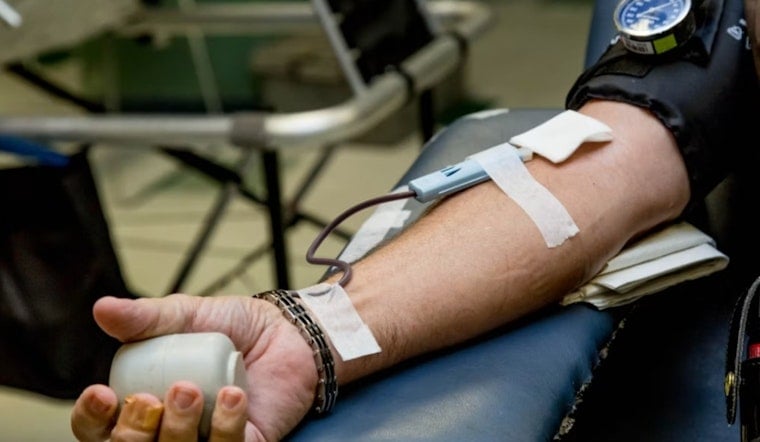
On Friday, OneBlood officials warned that O-positive and O-negative blood supplies in the Tampa Bay area have fallen to critically low levels, leaving hospitals with razor-thin emergency reserves. Regional representatives said the shortage is being driven by the usual summer slump in donations on top of steady demand from trauma cases, surgeries and high-risk obstetric patients.
Urgent Appeal From OneBlood
As reported by FOX 13 Tampa Bay, OneBlood officials identified O-positive and O-negative as the two most frequently used blood types in emergency care and urged donors to "donate immediately" to rebuild dangerously low inventories. Regional staff warned that the appeal is coming before the peak of summer demand, not after it, in hopes of avoiding tougher shortages later.
How OneBlood Serves The Region
OneBlood supplies more than 300 hospital partners across Florida and the Southeast and operates dozens of donor centers along with roughly 250 mobile "Big Red Bus" units, according to a press release from OneBlood. With that kind of footprint, a local dip in collections can ripple quickly through hospital inventories, especially at trauma centers where Type O blood is pulled most often for emergencies.
Summer Squeeze And National Context
The local crunch fits into a broader national pattern. The Association for the Advancement of Blood & Biotherapies reported in mid-June that O-positive and Rh-negative inventories typically drop during the summer and that reports of critically low stocks, defined as less than a two-day supply, are becoming more frequent.
Closer to home, OneBlood spokesperson Susan Forbes told ClickOrlando that donations made now can be processed, tested and shipped to hospitals within two to three days. In other words, units given this week are the same ones that could be hanging on an IV pole in an operating room or trauma bay early next week.
Why Your Donation Matters
EMS crews and hospital teams say donated blood is put to work almost immediately for bleeding control, transfusions in ambulances and scheduled surgeries. Recent coverage from News4Jax showed how pre-hospital transfusions and ambulance coolers depend on a steady stream of donors to stay stocked.
Health leaders also caution that having a cushion before holiday weekends and storms is critical, since blood drives and donor centers can be forced to pause operations with little warning. Without that buffer, routine disruptions start to feel a lot less routine.
How To Help
Generally, healthy people age 16 and older who meet basic screening criteria, including a common minimum weight of 110 pounds, are eligible to donate whole blood. Platelet donors are also in high demand, since platelets come with a very short shelf life and have to be replaced constantly.
For appointment times, mobile drive stops and the latest list of open donor centers, OneBlood's scheduling portal lists available slots along with walk-in options.
Every pint counts. The American Red Cross notes that a single donation can help save up to three lives once it is separated into components, which is why blood centers say the summer shortfall will not fix itself overnight. OneBlood and its regional partners are asking anyone who qualifies to make an appointment this week so hospitals can rebuild a reliable safety net for emergencies.





