

























































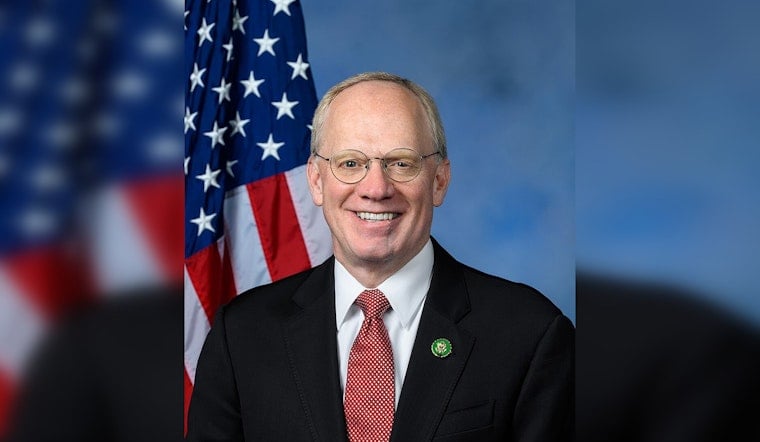
Rep. John Rose is blanketing Tennessee radio with an ad that pulls double duty, promoting the SAVE America Act while reminding listeners he is also running for governor. In the script, the spot notes it is “paid for by official funds authorized by the House of Representatives,” a detail that has sparked questions because congressional communications money is supposed to be used for official work, not campaigning.
The radio buy lands as Rose tries to build momentum before the August Republican primary and adds fresh fuel to a long-running debate over where “constituent outreach” ends and campaigning begins. The Nashville Banner published the full transcript and reported that the ad explicitly urges passage of the SAVE America Act, touts President Trump’s support for the bill, and is airing in the run-up to the primary. The spot also links Rose’s voting record to the legislation while repeating the line that it is paid for with official House funds.
What’s In The SAVE America Act
The SAVE America Act would require documentary proof of U.S. citizenship to register to vote and a photo ID to cast a ballot in federal elections, according to Congress.gov. The bill cleared the House earlier this year, but has repeatedly stalled in the Senate, according to legislative tracking and roll-call records.
The House floor debate on the measure includes speeches that lean heavily on polling about public support for photo ID and proof-of-citizenship rules, as reflected in the Congressional Record.
Franking, Official Funds And The Rules
Members of Congress are allowed to use official office allowances for mass communications under the franking system, but those funds are meant for official business such as informing constituents about legislation or federal services. They are not supposed to be used for campaign or electioneering activity.
The Committee on House Administration and the Franking (Communications Standards) Commission issue guidelines, review proposed mailings and ads, and handle complaints when content may cross into campaign territory, according to the Committee on House Administration. If a communication is found to be primarily political, the commission and committee can issue advisory opinions or refer the matter for additional oversight.
Other Members Have Faced Similar Scrutiny
Rose is not the first lawmaker to have official outreach questioned. Axios reported concerns about whether Rep. Andy Ogles used official communications and constituent mailers in ways that edged toward campaigning. In another case, Bleeding Heartland detailed radio ads in Iowa that were paid for from a congressional office budget while the member behind them was running for governor.
Those episodes drew ethics complaints and critical headlines, even though formal penalties have historically been relatively rare. They also helped set expectations for what watchdogs look for when an official message starts to sound like a campaign pitch.
Legal And Ethics Implications
Under House rules, if a franked communication’s primary purpose is judged to be campaign-related, it can trigger scrutiny from the Franking Commission or the Office of Congressional Ethics, with potential follow-up by House oversight staff, according to committee guidance. Past advisory opinions and complaint files show that the House has a process for probing questionable uses of official funds, although outcomes differ from case to case.
At this point, there is no public record of any formal complaint tied to Rose’s radio ad.
Rose’s campaign told the Nashville Banner that he has voted for the SAVE America Act multiple times and described the spot as official outreach connected to his legislative work. With the August primary coming up fast, critics and rivals say they will be watching to see whether the ad prompts any move by House watchdogs to draw a brighter line between constituent communications and campaign messaging.





