

























































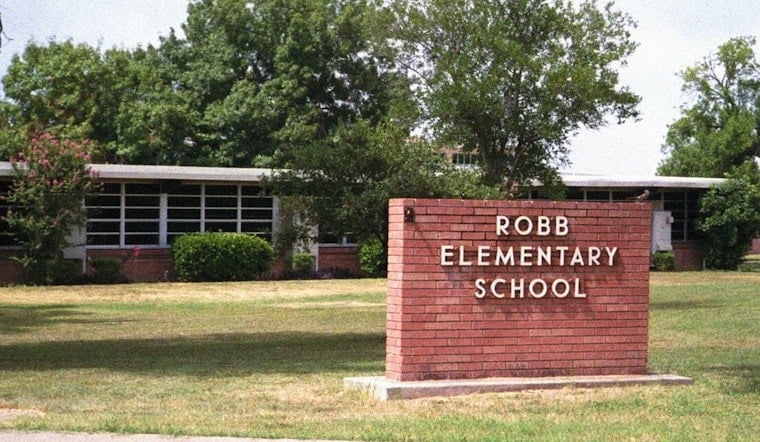
The Texas Supreme Court has shut down a high-profile lawsuit from survivors of the 2022 Robb Elementary School massacre, refusing on Friday to revive their negligence claims against the Texas Department of Public Safety and Uvalde County. The plaintiffs, five teachers and 20 students who were on campus during the May 24, 2022 attack that killed 19 children and two teachers, argued that slow police intervention and equipment failures made their suffering worse.
The order from Texas' highest civil court, issued without comment, leaves in place a February memorandum opinion from the San Antonio-based Fourth Court of Appeals, as reported by The Texas Tribune. Texas Public Radio later republished the Tribune's account of the decision, but the bottom line stayed the same: the appellate ruling stands, and this case is effectively over at the state high court.
Why the appeals court dismissed the claims
The Fourth Court's memorandum, dated Feb. 25, 2026, said the survivors' legal theory depended on the "non‑use" of tangible property and did not allege specific facts showing that working radios or different use of equipment "would have minimized or eliminated" the long delay after the shooting. The opinion also flagged allegations that some radios were usable only within a 10‑foot radius of the building, details laid out in the court record opinion.
Under the Texas Tort Claims Act, the appeals panel noted, a plaintiff has to show "use" of property, not just its absence. Since the survivors framed much of their argument around a failure to use communications gear and other equipment, the court said their pleadings did not fit within the narrow waiver of governmental immunity that the statute allows.
What the plaintiffs alleged
The survivors and their parents argued that DPS and Uvalde County failed to use available communications tools and protective gear and that officers waited more than an hour to intervene, causing added injuries during evacuations and deepening trauma for those who heard gunfire or saw the shooter, as reported by Texas Public Radio. They pointed to testimony and records suggesting some radios were effectively usable only within a 10‑foot radius of certain buildings.
The appeals court, however, said the plaintiffs did not connect that technical limitation to legal causation in the way the Texas Tort Claims Act requires, and that gap proved fatal to their negligence theory against these government agencies.
Legal implications
The opinion underscored just how narrow Texas' waiver of sovereign immunity is, and it stressed that "the waiver of governmental immunity is a matter addressed to the Legislature, not the courts," language that explicitly pushes any broader policy change to lawmakers rather than judges, according to the opinion. For now, that means this particular negligence route against DPS and Uvalde County is closed, even as criminal cases and other civil suits over the Uvalde response continue in courtrooms and in public debate.
Attorneys for survivors could still explore other legal paths or push for legislative changes, but the high court's move signals that, under current Texas law, judges see the limits on suing state entities as the Legislature's call. Coverage by The Texas Tribune and Texas Public Radio notes that the ruling leaves families without relief through this negligence claim for the time being.





.jpg)