

























































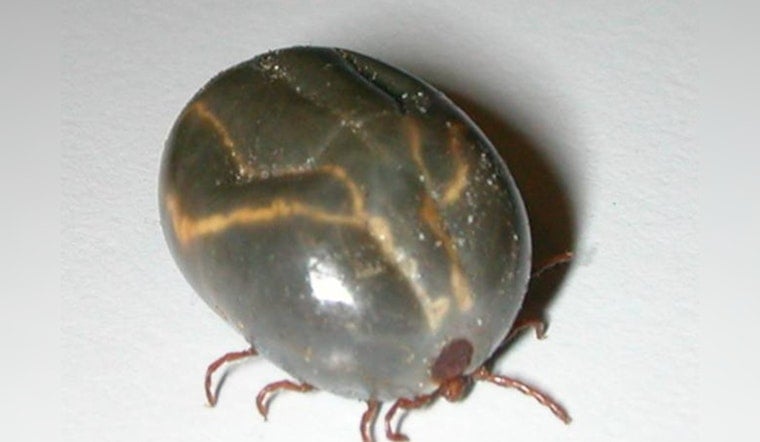
University of Tennessee Extension this week warned Tennessee farmers that tick infestations are spiking across pastures and fence lines, with a warm, wet spring creating prime real estate for the bloodsuckers. Producers around the state are reporting dense clusters of ticks on cattle and along tree lines, and Extension officials say heavy infestations can cause anemia and, in some cases, livestock deaths. The alert has many farms scrambling to step up inspections, quarantine incoming animals and check in with veterinarians before reaching for chemical controls.
Extension warning and boots-on-the-ground reports
As reported by The Rogersville Review, UT Extension issued an infestation alert on Friday linking the surge in ticks to recent weather shifts and cautioning producers to brace for heavy tick burdens. The report notes that Extension guidance singles out the invasive Asian longhorned tick showing up in shaded, moist pasture edges and along creek banks, exactly where cattle tend to travel. Local farmers quoted in the piece describe illnesses in some animals after intense tick pressure and say they are working closely with veterinarians and Extension agents to respond.
Tick suspects and what treatments are on the table
The species most often implicated is the Asian longhorned tick (Haemaphysalis longicornis), which can reproduce quickly and pile up in large clusters on a single animal. Virginia Cooperative Extension notes that these ticks generally appear susceptible to many products already used for other cattle ticks and lists macrocyclic lactones, including Dectomax®, Eprinex®, Cydectin®, LongRange® and Ivomec®, as effective on animals. Pyrethroid pour-ons and appropriately labeled fly tags can also help bring down tick numbers. That guidance adds that pasture treatments should be targeted, that carbaryl (Sevin®) is one of the few products labeled for pasture use and that a single application is unlikely to provide complete control.
Integrated control and the resistance tightrope
UT Extension materials stress an integrated pest approach, noting that treated animals can be quickly re-infested from heavily ticked pastures or wildlife and that leaning too hard on chemicals can drive fast acaricide resistance in clonal tick populations. The university recommends habitat modification such as monthly bushhogging or mowing, fencing cattle away from swampy creek banks and tree lines, routine drag-cloth surveillance, and quarantining and inspecting new animals before they join the herd. Extension specialists urge producers to work with their veterinarian to design a treatment schedule and to avoid ad hoc product mixing or one-off treatments that may not do the job.
What producers are urged to do right now
Producers are being advised to inspect animals often, especially the ears, groin and tailhead, and to document treatments and animal movements so any Theileria risk can be investigated quickly. For local assistance, the Rogersville Review includes contact information for UT agent Lew Strickland (865-974-3538; [email protected]), and producers are urged to consult their county Extension office or veterinarian before launching a control program. The U.S. Department of Agriculture and APHIS track longhorned-tick detections and the associated Theileria orientalis parasite, which has been linked to cattle illness and occasional deaths in parts of the eastern U.S., and national guidance can help producers with testing and reporting options.




