

























































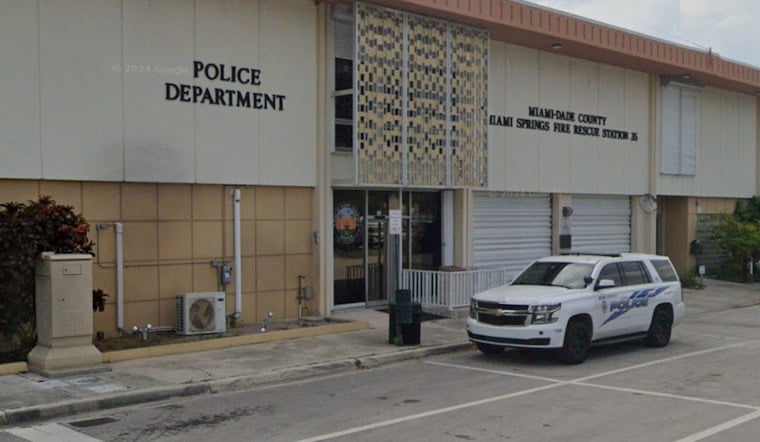
Miami Springs, the tidy suburb west of the airport with roughly 13,000 residents, has quietly turned into one of Florida’s most active municipal partners in immigration enforcement. During the August-through-May reporting period, the city logged 75 immigration-related encounters that led to 50 arrests, including 16 immigration detentions and 34 arrests on local or state charges. Those numbers have rattled immigrant advocates and raised an obvious question: how did a department with fewer than 50 sworn officers end up posting arrest figures that rival some of its much larger neighbors?
State data and local records show a disparity
Florida’s statewide enforcement dashboard, combined with local records, puts Miami Springs near the top of municipal immigration arrest tallies, even as some bigger departments report many encounters but relatively few immigration arrests, according to the Miami Herald. The Herald reports that Miami Springs ranked second among municipal police departments in Miami‑Dade and that Chief Matthew Castillo signed a 287(g) agreement in spring 2025. He also told reporters the department received about $115,000 from ICE that went toward two new patrol vehicles.
The contrast with Miami’s own numbers is striking. In the same reporting window, the Herald found that the City of Miami recorded 451 immigration-related encounters but just one immigration arrest, underscoring how dramatically enforcement can differ from one jurisdiction to the next, even within the same county.
How 287(g) and state reporting push small agencies into view
The federal 287(g) program allows ICE to train and deputize certain local officers to carry out specified immigration-enforcement functions under ICE supervision, including identifying and processing removable noncitizens, according to ICE. Florida requires agencies that sign on to report monthly encounter and detainer figures to the Florida Department of Law Enforcement, which then compiles that information for public release, as set out in the state’s data-collection rules.
That reporting setup, which treats administrative “encounters” as a separate category from arrests, helps explain why a small city’s routine policing can show up as an outsized contributor on statewide enforcement dashboards, even when the department itself is relatively small.
Local tactics and critics
Castillo says Miami Springs’ immigration-related activity is concentrated along the Northwest 36th Street strip of hotels and motels near the airport. He describes a strategy built around license-plate readers, additional cameras and focused patrols, with immigration steps that grow out of criminal investigations rather than random sweeps or checkpoints.
Critics see something very different. Alana Greer of the Community Justice Project argues that Miami Springs’ numbers suggest officers are holding people who otherwise would not be detained at all, a pattern she says undermines trust among immigrant and homeless residents. That tension has pushed Miami Springs into the middle of a broader fight over whether local police should help carry out federal immigration enforcement, as covered by the Miami Herald.
Legal questions around detainers and detention
ICE detainers (Form I‑247) are administrative notices that ask local agencies either to alert ICE before someone is released or to keep that person in custody a bit longer so federal agents can take over. Legal analysts point out that detainers are not judicial warrants and that relying on them raises Fourth Amendment and due-process concerns, according to an overview by the Congressional Research Service.
Local advocacy groups say those concerns are not hypothetical. They have documented harms tied to honoring detainer requests and have pursued lawsuits and public reports examining their impact, as detailed by the Community Justice Project. Those legal and civil‑rights questions add another layer of scrutiny to Miami Springs’ enforcement numbers and to the way detainers can turn routine arrests into federal immigration cases.
As Castillo prepares to leave for a larger agency, Miami Springs’ unusual arrest totals are emerging as a real-time test of how 287(g) partnerships look at the city level. For residents and civil‑rights groups, the experience is a pointed reminder that local policing decisions, not just federal policy, shape who ultimately ends up in the deportation pipeline.





