

























































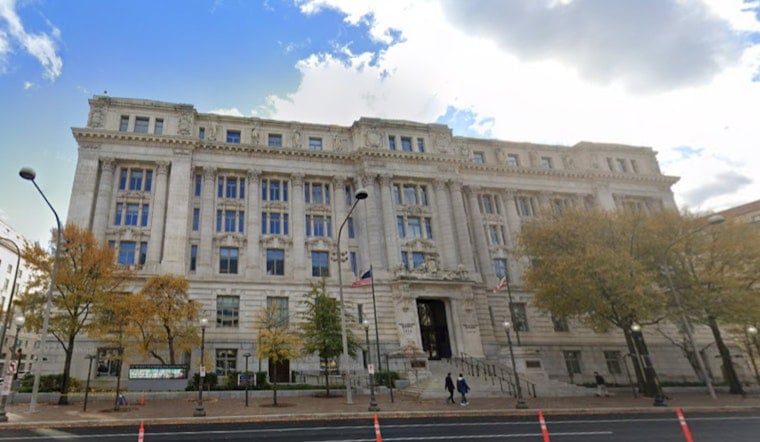
Two low-turnout special elections in Washington, D.C., have quietly triggered a notable shakeup at the Wilson Building, with Kenyan McDuffie and Phil Mendelson winning contests to fill a pair of vacant council seats. Both will serve out the remainder of unexpired terms, a swift reshuffle powered by a relatively small slice of the electorate.
According to WAMU, McDuffie captured the Ward 5 special election while Mendelson came out on top in Ward 3. The outlet reports that both winners will complete the rest of their predecessors’ terms and notes that turnout in the contests was low, in keeping with the District’s usual pattern for off-cycle races that rarely draw big crowds.
Low Turnout, Familiar Pattern
The D.C. Board of Elections’ 2026 election calendar and guidance underscore that special and other off-cycle contests typically attract fewer voters than primary or general elections, a dynamic that showed up again in these races, according to the D.C. Board of Elections. Election officials will finalize any outstanding mail ballot counts and certify the results before McDuffie and Mendelson are formally sworn in.
How The Seats Opened Up
The vacancies emerged after sitting councilmembers were projected to move on to higher office, setting off a quick scramble to replace them. NBC4 reported that Janeese Lewis George was projected to secure the Democratic nomination for mayor and Robert White was projected to win the Democratic primary for the District’s nonvoting U.S. House delegate seat, outcomes that created the openings these special elections just filled.
What It Means Inside The Wilson Building
McDuffie and Mendelson will be stepping into roles that could alter committee assignments and shift the council’s internal math for the rest of the term. As The Washington Post explains, the Home Rule Act and the council’s own rules dictate how interim appointments work and when special election winners are officially seated, leaving room for some additional maneuvering in the coming weeks.
For residents, it is a pointed reminder that in low-profile special elections, a relatively small number of voters can decide who represents entire neighborhoods for the rest of a term. Expect committee lineups and policy priorities to get at least a minor reshuffle as the council absorbs its newest members and recalibrates around the updated roster.





