

























































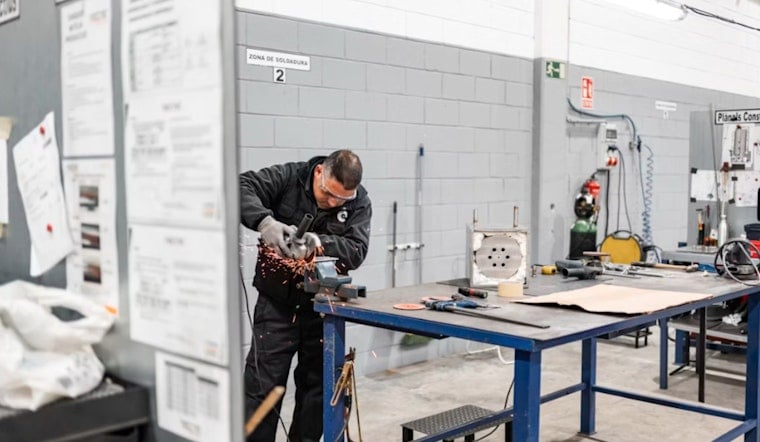
Tough tech companies, from AI startups and robotics firms to hardware-first medtech ventures, are quietly muscling into Boston’s once biotech-dominated lab scene. They are taking over space that landlords long assumed would be gobbled up by drug developers, and the ripple effect is changing how lab-ready floors are priced, packaged and pitched across the region.
According to the Boston Business Journal, the share of Boston lab leases going to “tough tech” roughly tripled over four years, with those tenants making up about 30% of lab leasing in 2025. These outfits typically need bench space, prototyping areas or dry labs rather than the intensive wet-lab setups favored by early-stage biotech firms. For landlords staring down a wall of vacancies, that demand helps, but it comes with a catch: deals tend to be smaller and shorter, with lower rents and less negotiating leverage.
Industry reports say this reshuffling is happening against a backdrop of very high vacancy and availability in Greater Boston’s lab market. JLL’s 2026 Lab Property analysis, as covered by Bisnow, highlights a market still working through a significant surplus. Q1 figures from CBRE put vacancy and availability in the high-20s to low-30s percent range, leaving hundreds of thousands of square feet to fill. That imbalance is pushing owners to sweeten the pot with concessions, shorter lease terms and turnkey lab suites that can appeal to nontraditional tenants.
What Tough Tech Looks Like in Boston
Tough tech in Boston covers a broad mix: AI-driven discovery teams, robotics and aerospace players, hardware-focused medtech companies and climate or energy device startups that sit somewhere between lab and workshop. Greentown Labs, which brands itself as North America’s largest climatetech incubator, has become a key hub for many of these hardware and climate-tech ventures and shows how incubators can soak up specialized demand. On the ground, that translates into more deals for small suites and shared fabrication space, and fewer of the giant, building-stabilizing leases that once propped up big lab towers.
Landlords Are Rewriting the Playbook
Owners are responding with a full set of defensive moves: trimming asking rents, dangling richer concession packages and carving out move-in-ready lab suites that match what early-stage tough tech tenants can actually afford. Bisnow reports that asking rents across Greater Boston have fallen about 20% since mid-2022, and that landlords are retooling leasing strategies to win over these smaller users. The Boston Globe has cautioned that it could take years to burn off the extra supply, a sobering timeline that has already forced some speculative conversion projects back to the drawing board.
Incubators and Small Suites Are Picking Up Slack
Shared labs and accelerator programs are seeing activity spike as founders who straddle tech and biology hunt for flexible space options. LabCentral says its AI BioHub and related initiatives drew significantly more applicants last year and are expanding to better support AI-bio teams. That growth helps absorb demand for small units, even if it barely dents the vacancies in the largest lab buildings. For neighborhood-level real estate, the action is increasingly in incubator corridors and satellite campuses, not necessarily in the big towers that dominated the last boom.
What to Watch Next
Analysts expect the recovery to be gradual. JLL’s report suggests pockets of demand have returned, but supply still outweighs it by a wide margin, and bringing vacancy back to more normal levels could take several years. In the meantime, Boston landlords are playing a matchmaking game, pairing specific tenant needs with the right buildings. High-quality, amenity-rich properties are likely to win out, while older or out-of-the-way assets may trade at discounts, get repurposed or end up in the hands of distressed buyers. Market watchers are keeping close tabs on lease lengths, concession trends and any wave of basis-reset sales as the clearest indicators of how fast things are rebalancing, a point underscored in coverage of JLL’s Lab Property analysis by Facilities Dive.



