

























































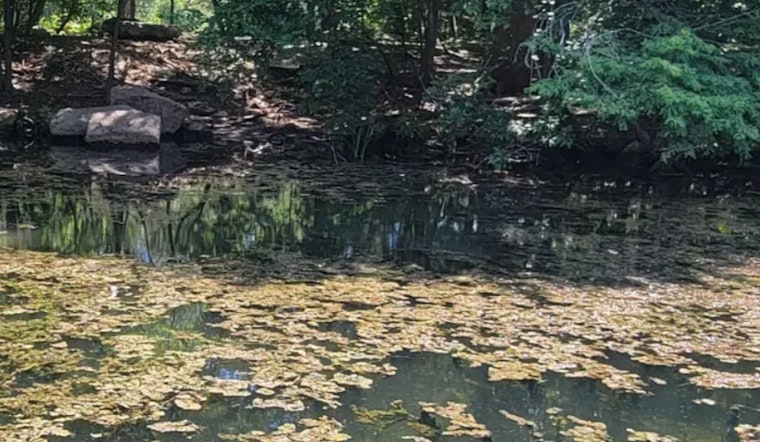
Thick mats of blue-green algae are back on Austin’s lakes, with city crews spotting fresh growth near Red Bud Isle on Lady Bird Lake and at the Walsh boat ramp on Lake Austin. Samples have been pulled from monitoring sites, and officials are again warning people to steer clear of any water with visible mats and to keep dogs out of it. With temperatures climbing, the city says conditions are ripe for even more algae to spread as the summer heats up.
According to the City of Austin Watershed Protection Department, staff "observed thick mats of blue-green algae, some of which may be toxic," especially around Red Bud Isle and Walsh Boat Landing. Samples were collected at all six monitoring sites on the lakes and sent to laboratories for testing. The department notes that the mats often appear as dark blobs or scum and can blend in with aquatic vegetation. Officials are telling the public to stay out of the water if there has been rain in the previous three days.
Health risks and safety
The Centers for Disease Control and Prevention explains that cyanobacteria, commonly called blue-green algae, can produce toxins such as microcystins, anatoxins and cylindrospermopsin. These can trigger skin irritation, stomach and intestinal problems or neurological symptoms in both people and pets. Public-health guidance stresses avoiding contact with scummy or discolored water, never drinking untreated lake water and getting medical or veterinary care if sudden illness follows possible exposure.
What the city is testing and the pilot program
Austin Watershed Protection reports that it monitors three sites on Lake Austin and three on Lady Bird Lake, collecting both algae and water samples whenever mats are present and sending them to laboratories to identify toxins and algae species. The department also applied lanthanum-modified clay at select locations from 2021 to 2025 as part of a roughly $1.5 million pilot, about $300,000 per year. The year 2026 is being used as a control year with no clay application so staff can determine whether the treatment actually cut sediment phosphorus levels and reduced algae growth.
How to stay safe this summer
The city advises people not to enter water that is warm, stagnant or murky, or that shows scum, film or visible algae, and to avoid lakes for three days after heavy rain. Rinse skin and animal fur with clean water after any contact with lake water. If you suspect illness in yourself or a pet following exposure, contact a medical provider or veterinarian and report possible harmful algal bloom related illness to Austin Public Health.
Why this matters
Harmful algae have been a recurring problem in Austin since 2019, when multiple dogs died after being exposed to toxins in Lady Bird Lake, and local reporting has followed both the animal illnesses and the city’s attempts to control blooms. Coverage from Axios has highlighted the pilot program’s costs and its mixed results, so residents may want to keep an eye on updated test results as the city reviews its control year data.





