

























































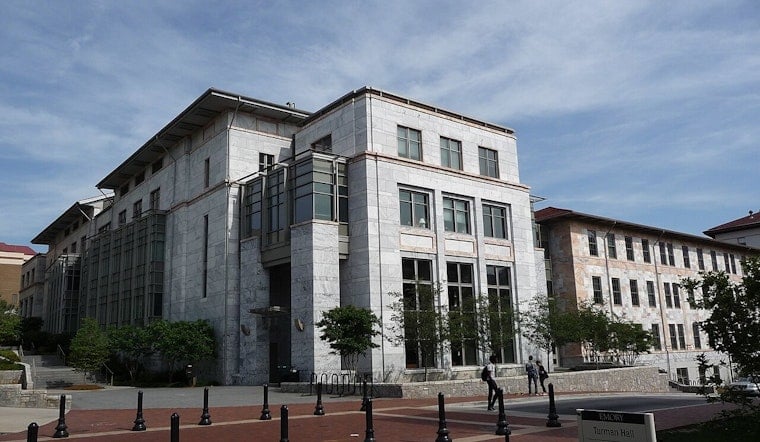
Residents in Glynn County and the city of Brunswick have been living with questions about industrial pollution for years. Now Emory University is stepping in to lead a major, multi-disciplinary study that aims to finally connect the dots between contamination, exposure and health in the coastal community.
The new effort builds on an earlier pilot biomonitoring project that found elevated levels of certain polychlorinated biphenyls (PCBs) and the pesticide toxaphene in the blood of some local residents. Researchers say this larger study will map out likely exposure routes, expand the roster of chemicals tested, and feed directly into cleanup strategies and public-health decisions for neighborhoods closest to contaminated sites.
According to The Atlanta Journal-Constitution, Emory will use a roughly $15 million grant from the National Institutes of Health and assemble a team of about 50 researchers to carry out the work. Emory's Rollins School of Public Health says the expanded study will analyze blood and environmental samples for metals, PCBs and other persistent contaminants, and investigate how those exposures may be linked to health outcomes.
Why Brunswick
The coastal county is home to several contaminated parcels, including the 813‑acre LCP Chemicals Superfund site, where historic industrial activity left PCBs, mercury, lead and other toxins in marshes and soils, according to the EPA. Local reporting and environmental advocates have described a cluster of Superfund sites and years of industrial production that residents say fueled long-term health worries and slow-moving remediation, as covered by The Current.
What researchers will do
The Emory-led team plans to significantly broaden the scope of the pilot by testing blood for lead, mercury, arsenic, cadmium and multiple PCB congeners. That biomonitoring will be paired with environmental sampling and detailed questionnaires designed to reconstruct how, where and when residents might have been exposed.
Emory's Rollins School of Public Health says those data will be used to model health risks, identify which neighborhoods are most affected, and evaluate both cleanup options and public-health interventions for the communities bearing the greatest toxic burden.
Community response
Community groups and local clinics that helped recruit volunteers for the original study have welcomed the larger project, but they are also pressing for quick, transparent results and more resources for medical care. Glynn County Commissioner Allen Booker, along with nonprofits such as One Hundred Miles and the Glynn Environmental Coalition, has pushed for human testing and clearer timelines for remediation, as reported by The Current and documented by One Hundred Miles.
Federal and state regulators are still working through records of decision and cleanup steps at the Brunswick sites, and Emory officials say the study's findings could help guide those decisions as well as local health outreach. The EPA has held community updates on cleanup plans, and The Atlanta Journal-Constitution reports that the new funding is intended to support long-term work connecting exposure, health outcomes and remediation choices.




