

























































More than a dozen hungry goats are now doing the heavy lifting at a historic African American cemetery in College Park, chewing through kudzu that has hidden graves and headstones for years. Their two-week cleanup is giving volunteers a clearer view of the people who helped build the city’s Black community.
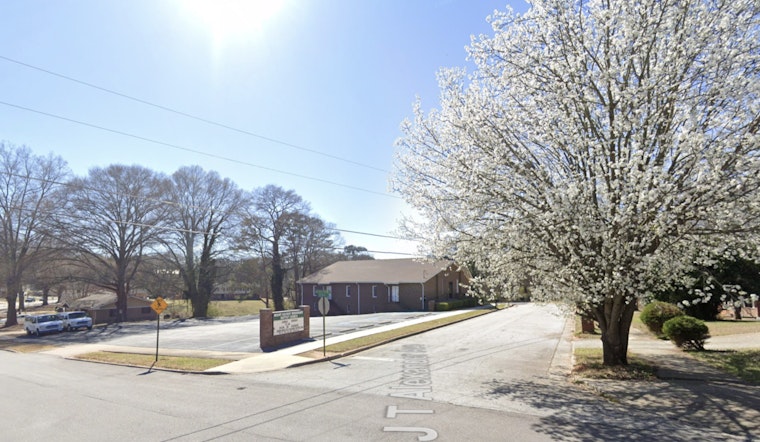
According to CBS Atlanta, the cemetery sits behind Mount Calvary Baptist Church, where community donations helped bring in Red Wagon Goats for the vegetation-clearing effort. Workers fenced off roughly 1.5 acres, and volunteers are checking on the animals frequently while they work.
Goats Clear Kudzu While Volunteers Protect The Grounds
The animals are being managed carefully as they move across the overgrown cemetery. Red Wagon Goats owner Megan Kibby told CBS Atlanta that crews begin adding hay once only 10% to 20% of the greenery remains, helping prevent the goats from feeling food scarcity and attempting an escape.
The goat-powered work follows months of hand clearing by the One Square Mile Project. An earlier CBS Atlanta report said volunteers had uncovered headstones dating to 1925, including those belonging to educators, veterans, morticians, community leaders and generations of local families.
College View Cemetery Reflects A Displaced Black Community
The cemetery’s condition is tied to a larger story of displacement around Hartsfield-Jackson Atlanta International Airport. Atlanta News First reported that College Park recently installed historic markers honoring the city’s original Black community, while local historians said airport expansion and related urban renewal displaced many residents.
The cleanup is only an opening chapter in a much larger preservation effort. Craig Eberhart of the One Square Mile Project told CBS Atlanta that the restoration could cost more than $1 million and will require support from community members, local and state governments, and the airport itself.
Volunteers meet at the cemetery on Saturdays as the project works to reclaim the site and document the people buried there. For now, the goats are clearing the view; the harder work of preserving the cemetery’s history, grounds and legacy is still ahead.



