

























































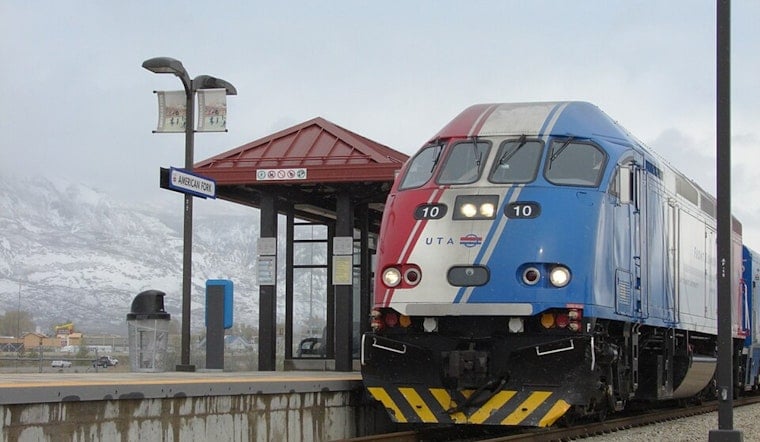
A trackside fire brought FrontRunner trains to a halt between Lehi Station and Draper Station on Thursday, forcing Utah Transit Authority to roll out a bus bridge that is slowing trips in both directions and stretching afternoon commutes. With rail service suspended in the corridor, riders are being funneled onto shuttle buses and warned to expect longer travel times until crews finish clearing the scene and trains are rolling again.
What UTA posted
In an alert on X, Utah Transit Authority said crews activated a bus bridge between Lehi Station and Draper Station "due to a nearby fire" and cautioned customers to expect "significant north and southbound delays" starting at either station. The post went up at about 2:12 p.m. local time and explained that buses are temporarily replacing trains on that segment while responders work the scene. According to the Utah Transit Authority, riders should build in extra travel time and check for fresh alerts before heading out.
Stops affected and where to check
The disruption is focused on the FrontRunner service between the two southern stations, with UTA identifying Lehi and Draper as the stops hit by the bus bridge. Riders along that stretch should be ready to transfer to shuttle buses and settle in for longer on-vehicle times. UTA is urging passengers to keep an eye on its Service Alerts and trip-planning tools for real-time details on detours and delays. See UTA's Station Addresses and UTA's Service Alerts for the latest information.
How bus bridges typically work
When an incident near the tracks interrupts train service, transit agencies often plug the gap with shuttle buses that run between the affected stations so riders are not completely stranded. It keeps people moving, but usually at the cost of extra time getting on and off vehicles and a slower ride overall. During busy commute hours, that can ripple into longer waits across the line. Anyone able to shift their schedule or take an alternate route may dodge the worst of the slowdown until FrontRunner service is back to normal.



