

























































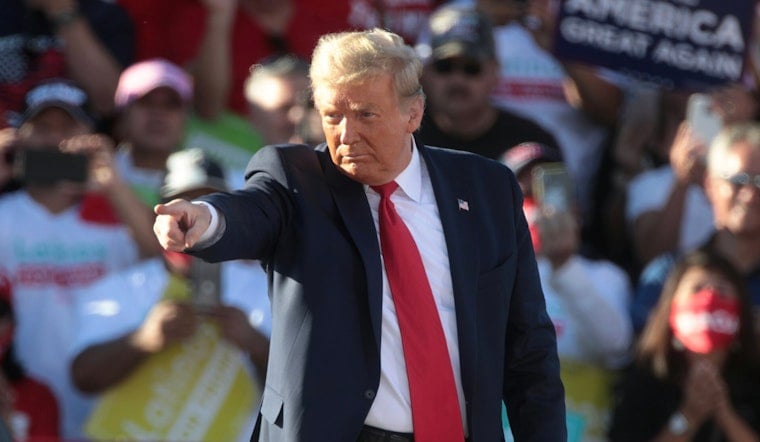
Donald Trump took his long running feud with The New York Times up a few notches on Sunday, blasting the paper’s reporting on the U.S. war with Iran as “treasonous” and vowing to fold its coverage into his sprawling multibillion dollar legal battles. The online broadside sharpened a months long campaign against outlets the president argues are biased and undercutting U.S. policy, coming on the heels of reporting that questioned whether Operation Epic Fury has delivered decisive gains.
What Trump Said
On Sunday, the president used his Truth Social account to accuse The New York Times of covering the Iran conflict in a “TREASONOUS” way and said he would “be adding all of their false and ridiculous reporting to my multi Billion Dollar lawsuit against them,” as reported by The Independent. The post repeated sweeping claims about Iran’s losses and economic collapse that directly challenged the Times analysis. The attack marked the latest flare up in a long running White House fight with national news organizations.
Why The Times Was Targeted
The New York Times piece at the center of the clash, an analysis by Neil MacFarquhar, asked whether “almost four months” of Operation Epic Fury had produced meaningful change and warned that a memorandum of understanding to halt hostilities could be in jeopardy, according to The Independent. Polling suggests the public is souring on the campaign; a Reuters/Ipsos and Ipsos tracking effort found majorities or pluralities questioning whether the strikes met their aims, per Ipsos. That mix of skeptical coverage and growing public unease helps explain why the president singled the paper out.
Court Fight, In Context
Trump first sued the Times last September, seeking $15 billion. A federal judge later called the original 85 page complaint “decidedly improper and impermissible” and gave him 28 days to refile a shorter pleading, reporting shows. The Guardian documented the judge’s rebuke and the October amended filing that named the paper and several reporters. The litigation adds a legal dimension to the administration’s broader pressure campaign against outlets it says have been unfair.
Legal Implications
Winning a defamation case against a major paper is notoriously difficult for public figures because of the “actual malice” standard. That requires showing that a defendant knew a statement was false or acted with reckless disregard for the truth, a principle explained by Cornell’s Legal Information Institute and rooted in New York Times Co. v. Sullivan. Judges so far have focused on procedural flaws in the filings rather than resolving underlying factual disputes about the reporting itself. If the suit moves forward, Trump’s team would face a steep evidentiary burden to prove the required level of culpability.
What This Means
The exchange highlights how litigation, social media and presidential rhetoric are being used together to shape coverage of a costly foreign campaign. Some allies in Congress have publicly backed the president’s frustration with skeptical reporting, a dynamic that risks further eroding already fragile trust between national newsrooms and the White House. How courts handle the suit, and whether it survives early procedural tests, will be watched as much for its political symbolism as for its legal consequences.
The dispute is likely to generate more court filings and sharper public jabs in the days ahead. For now, the episode underscores the escalating clash between the presidency and a media ecosystem that plays a central role in how Americans judge the costs and goals of the Iran campaign.




.jpg)