

























































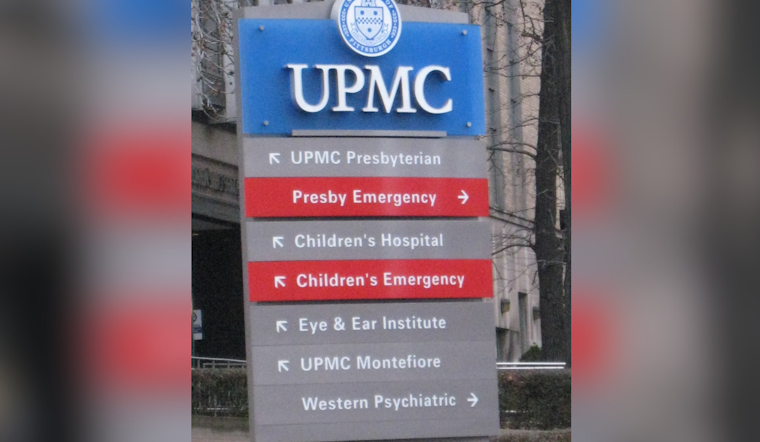
If you land in the emergency department at UPMC Presbyterian with a suspected head injury, there is now a new step in the routine. The hospital has begun using a rapid bedside blood test that can help clinicians detect traumatic brain injury without immediately ordering a head CT scan. The test delivers lab-quality results in roughly 15 minutes and is being used to sort out which patients need urgent imaging and which can be safely observed or discharged. Hospital leaders say the shift is aimed at cutting emergency-department waits and trimming unnecessary radiation exposure.
How the bedside test works
According to a news release from the University of Pittsburgh, the assay runs on Abbott’s i-STAT Alinity point-of-care platform and uses a small whole-blood sample to analyze two brain-specific proteins: glial fibrillary acidic protein (GFAP) and ubiquitin C-terminal hydrolase L1 (UCH-L1). The device provides a semi-quantitative readout that clinicians can combine with the neurologic exam to judge whether a head CT scan is likely to reveal an acute intracranial lesion.
Abbott, FDA and what the clearance means
Abbott received FDA clearance in 2024 for whole-blood rapid testing on its bedside i-STAT devices, and its lab-based Alinity i assay is also cleared for clinical use. As Abbott notes, these tests are intended for adults with suspected mild traumatic brain injury and are used to assess the likelihood of acute intracranial lesions visible on CT. When both biomarkers are not elevated, the result is associated with the absence of such lesions.
Pitt’s role and the local rollout
Pitt served as the central biorepository for the TRACK-TBI research that validated the assay for FDA review, and UPMC researchers including David Okonkwo and Ava Puccio have led the biomarker work for nearly two decades, the University of Pittsburgh reports. The clinical debut at UPMC Presbyterian follows years of collaboration among Pitt, UPMC, Abbott and federal partners to move the biomarker work from the research arena to routine bedside care.
What it could change in the ER
Abbott and supporting studies say the blood test could reduce unnecessary head CT scans by as much as 40% and improve emergency-department throughput by quickly ruling out patients who are unlikely to need imaging. For low-risk patients whose biomarker levels return as “not elevated,” the negative predictive value is high. Clinicians hope that will translate into fewer scans, lower imaging costs and less radiation exposure for patients who can safely go without a CT.
Limits and precautions
Clinical experts caution that the assay is not a stand-alone diagnostic tool. Results are meant to be interpreted alongside the neurological exam and standard clinical decision rules. Real-world guidance also notes that timing windows differ by platform: point-of-care i-STAT whole-blood testing is cleared for use up to 24 hours after injury, while some core-lab Alinity assays are validated for a shorter window. Local protocols will need to account for those differences, clinical commentators say, according to Practical Neurology.
Local coverage and next steps
The Pittsburgh Business Times reported on June 19, 2026, that UPMC Presbyterian has begun routine use of the test and is integrating bedside biomarker results into its head-injury pathways. An implementation study listed on ClinicalTrials.gov (NCT07373509) is set to track how the i-STAT Alinity whole-blood test performs in real emergency-department workflows and whether it actually lowers CT use and length of stay.





