

























































The Utah Asian Festival is back at the Utah State Fairpark on Saturday for its 49th year, loading up the grounds with food, performances and a much bigger indoor marketplace that organizers say has been years in the making. What started as a community gathering has steadily grown into one of the region's biggest cultural draws, with traditional dance sharing space with contemporary music on two stages. The one-day celebration runs into the evening and doubles as a fundraiser for the Asian Association of Utah's community programs.
The 49th annual festival runs from 11 a.m. to 10 p.m. at the Utah State Fairpark, according to Utah Asian Festival. The event website lays out a full festival guide, maps and a detailed schedule so visitors can navigate between the two stages and a busy indoor marketplace without missing their must-see performances.
What To Expect
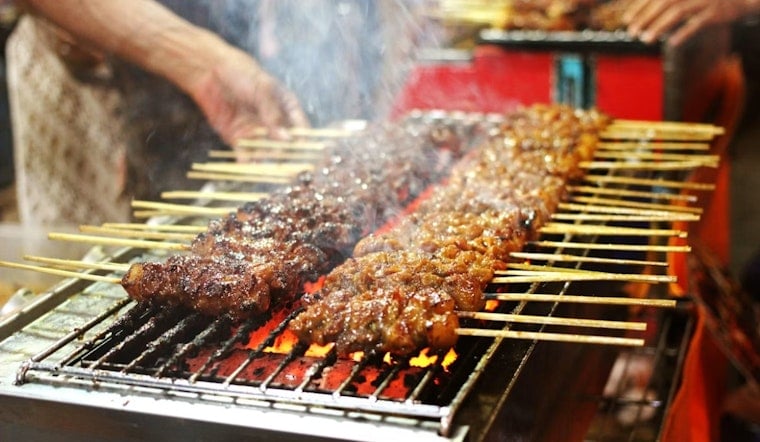
Preview coverage flagged a significantly expanded marketplace this year, with more than 75 merchants and a curated lineup of about 35 Asian street food vendors, along with an expected crowd near 20,000, according to City Weekly. That preview also noted that the festival regularly pulls visitors from neighboring states like Nevada, Idaho and Colorado, and that organizers have intentionally leaned into Asian street food and modern performances to broaden attendance. Supporters say that mix is designed to keep cultural preservation front and center while making the festival accessible to a wider audience that might be discovering some of these traditions for the first time.
The Asian Association of Utah, which produces the festival, describes the event as volunteer run and notes that the fair has grown to more than 15,000 attendees with roughly 30-plus food vendors and more than 70 booths listed on its calendar, per Asian Association of Utah. The posted schedule lists an indoor stage operating from 11 a.m. to 7 p.m., an outdoor stage from 2 p.m. to 10 p.m. and a roster of more than 60 performing groups. Organizers say the festival layout, logistics and maps are crafted to keep the event family friendly and accessible across a full day on the grounds.
Beyond the food stalls and music sets, the festival routes proceeds back into Asian Association of Utah services, including the organization's human trafficking support work, which has expanded in recent years. Local reporting notes that AAU opened a Human Trafficking Support Center that offers housing, healthcare and mental health resources to survivors, with festival fundraising helping to underwrite those services, according to Fox13. Festival leaders say tying cultural celebration directly to community support remains central to the event's mission.
Arts, Identity And Volunteers
City Weekly's preview highlights visual artists including Erica Sun Jursic, known as Ocelot, whose work blends Taiwanese temple imagery with trans identity themes and includes a piece that reads "trans joy is sacred." The organizing committee itself spans five generations of volunteers, from ages 18 to 88, a detail organizers often point to as proof that the festival is as much about community continuity as it is about a single day of performances. On stage, programming will range from classical forms such as Cambodian apsara dance to contemporary performance troupes, offering side by side snapshots of tradition and evolution.
Plan Your Visit
Food vendors will be open across the fairgrounds from 11 a.m. to 10 p.m., the indoor marketplace runs until 7 p.m., and children's activities are scheduled through the afternoon, according to the schedule and map posted by Utah Asian Festival. Expect tight parking at the Utah State Fairpark and heavy foot traffic around the marketplace during peak hours, so arriving early is a smart move if there are specific performances or vendors you do not want to miss. The festival is free to attend, and visitors are encouraged to use the official festival guide for set times, vendor locations and accessibility details.





