

























































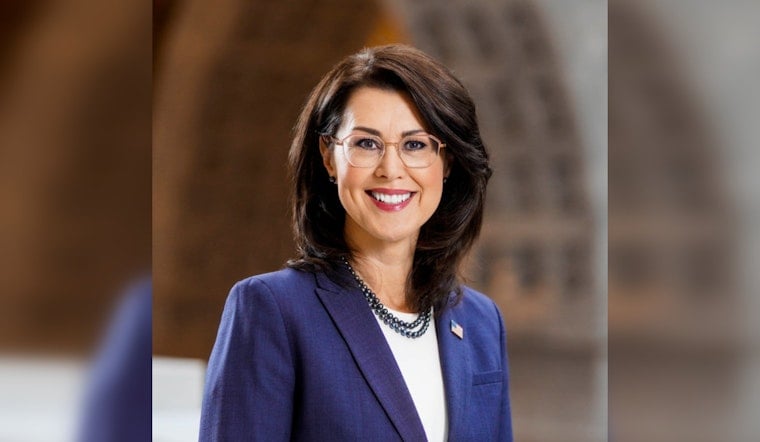
Utah’s lieutenant governor is not quietly taking hits on her state’s elections system. On Thursday, Lt. Gov. Deidre Henderson publicly defended Utah’s vote-by-mail program after President Donald Trump blasted mail ballots and claimed they tilt the playing field.
Henderson answered on Threads and in interviews, saying Utah climbed from one of the lowest-turnout states to one of the highest after expanding vote-by-mail, and that most Utahns now return their ballots by mail or by secure drop box, according to ABC4 Utah. Trump had renewed his long-running criticism of mail voting in a Truth Social post, calling such ballots "dishonestly handled" and a "big advantage" for Democrats while urging Republicans to advance the SAVE America Act.
Henderson used that broadside to highlight her office’s audit work and Utah’s security rules. She pointed to measures such as surveillance on ballot drop boxes, plus signature and ID verification, and argued that those checks keep the state’s mail voting system secure.
What the SAVE America Act Would Do
The SAVE America Act, which cleared the U.S. House, would require people to prove citizenship when they register to vote, typically with a passport or birth certificate. It would also require photo ID when casting a ballot. Trump has gone further and proposed an amendment that would outlaw no-excuse mail voting nationwide.
As reported by The Associated Press, voting experts warn that the package could leave millions of eligible Americans without the documentation they would need to register or vote. Democrats and some nonpartisan analysts argue that those rules risk disenfranchising lower-income and rural voters in particular.
How Utah Actually Runs Mail Voting
Utah adopted universal mail ballots in 2018. State and county officials say the change boosted participation and helped them keep voter rolls current. Audits by Henderson’s office have found very few noncitizen registrations, and counties regularly remove outdated records.
KUER and other local outlets report that Utah postal workers and election clerks have also publicly backed the state’s process, saying they trust how mail ballots are handled. At the same time, the Utah Legislature approved changes last year that will require voters to opt in for mailed ballots every eight years starting in 2029.
Local Stakes And The Legal Angle
For Utah voters, the argument over mail ballots is both practical and symbolic. Supporters say voting by mail is crucial for rural residents, people with disabilities and anyone who struggles to get to an in-person polling place. Critics counter that stricter federal rules are necessary to reduce the risk of fraud.
The Associated Press notes that the SAVE America Act faces a steep climb in the Senate, where the filibuster and divisions inside the Republican Party make its future uncertain. Voting-rights advocates warn that the bill’s documentation rules could affect as many as millions of eligible voters who do not have easy access to birth certificates or passports.
Henderson told local reporters that rebuilding trust in elections will take time and consistent work. She urged Utahns who are skeptical about election security to volunteer with county clerks so they can see the procedures up close. As Congress debates the SAVE America Act and any potential amendments, Utah officials say they plan to keep defending the state’s model and to watch closely for any changes in federal rules that might collide with state law.



