

























































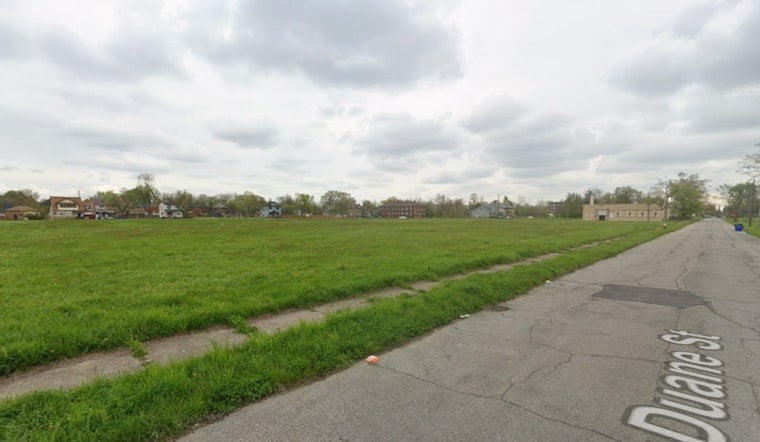
A long-empty Detroit school site is finally getting its shot at a comeback, thanks to a fresh injection of federal housing money. A $19 million package of Low-Income Housing Tax Credits is set to help finance more than 600 affordable homes across Michigan, with one of the largest chunks headed for new townhomes on the former Alice McLellan Birney Elementary School property. The credits are designed to close stubborn financing gaps that often stall neighborhood-scale construction.
According to Crain's Detroit Business, roughly $19 million in federal credits will support more than 600 units statewide through the competitive LIHTC pipeline. The outlet highlights several developments poised to move forward, including multiple Detroit projects that made the cut.
Records from the Michigan State Housing Development Authority show that two linked Birney proposals landed in the Oct. 1, 2025, LIHTC awards list. The spreadsheet details 52 LIHTC units for Alice Birney Townhomes and 53 LIHTC units for Alice Birney Village, with Wallick Development, Presbyterian Villages of Michigan, and Hope Village Homes listed as project partners.
The site at 4094 Duane St. once housed Alice McLellan Birney Elementary School, which the City of Detroit notes opened in 1964, closed in 2009, and was demolished in March 2016. In its request for proposals, the city describes the 5.47-acre property as a "blank slate" divided into two parcels aimed at neighborhood-scale housing, with pre-development work shown ramping up in early 2025.
How the credits translate to apartments
The Low-Income Housing Tax Credit program provides federal tax credits that developers typically sell to investors, generating up-front equity to build or rehab affordable housing. That equity reduces the amount of debt a project must carry, which in turn helps keep rents below market levels. LIHTC operates under Section 42 of the federal tax code and is administered by state housing agencies, while federal guidance and income-limit data are issued by the IRS and HUD. For deeper detail on how the program works, see resources from the IRS and HUD.
What's next at the Birney site
City planning materials call for a mix of townhomes, green space, and a non-motorized path that would link the property to the Dexter commercial corridor. Planners suggest the land can be split into two coordinated residential phases. If the development team is able to syndicate the tax-credit equity and plug remaining funding gaps, current timelines point to a construction window in late 2026 or early 2027, with the credits helping clear a key financial hurdle.
What to watch
Next up, watch for MSHDA closing announcements and a formal site plan from the developer that lays out the full capital stack, targeted tenant income levels, and a detailed construction schedule. Those documents are expected to surface first on state and city project portals. The $19 million credit package is part of a broader statewide push to speed up below-market rental production, and visible progress at the Birney property could help pry other stuck developments loose and into active building mode.



