

























































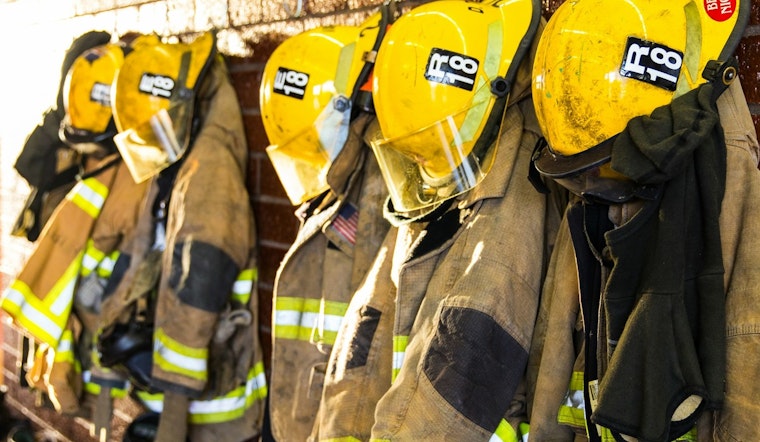
Across Minnesota, the volunteer fire departments that have quietly protected small towns for generations are thinning out, and local leaders say the fallout may eventually land in homeowners’ property tax bills. In places like Cleveland and other Greater Minnesota communities, fire officials are testing new gear, sharing crews and weighing paid positions in an effort to keep response times steady without blowing up local budgets.
Local chiefs sound the alarm
Brady Hahn, chief of the Cleveland Volunteer Fire Department, told KSTP that his crew is currently “down one person” and that many would-be recruits balk at the hours of training and on-call demands. Hahn, who has volunteered for 25 years, said the department is trying a slower, more flexible onboarding process and rolling out updated equipment to make signing up feel less daunting.
National decline and training pressures
The strain is not unique to Minnesota. A national study from the NFPA Fire Protection Research Foundation charts a long-running decline in volunteer ranks and points to heavy training requirements and scheduling conflicts as key barriers to both recruitment and retention. According to the NFPA Fire Protection Research Foundation, more modular and flexible training programs, paired with stronger local support, could help stabilize small rural departments that rely heavily on volunteers.
Minnesota's numbers and costs
State data show why the trend has officials on edge. Reporting in InForum put Minnesota’s total firefighter count at about 20,000 in 2024 and noted that 43 all-volunteer departments in the northwest lost roughly 7% of their personnel over five years, according to the State Fire Marshal’s Office. A 2019 analysis by the Minnesota Center for Fiscal Excellence found that Minnesota spends well below the national average on fire protection, which helps explain the state’s longstanding dependence on volunteer service. Minnesota Center for Fiscal Excellence
Tech and consolidation as stopgaps
To squeeze more out of smaller crews, departments are experimenting with new technology and sharing resources across town lines. Cleveland firefighters have trained with the SAM BOOST system, an automated pump controller that vendors say can handle water flow adjustments so the pump operator can help the attack crew. Industry coverage from Fire Engineering describes how the setup is designed to speed water delivery and lighten the workload on understaffed rigs.
Money and policy choices
Some cities are responding to the staffing squeeze by consolidating departments into joint powers or regional districts, pooling tax bases so they can afford career firefighters and shared equipment, a trend detailed by Firehouse. At the Capitol, lawmakers have periodically floated tax credits and other financial incentives to keep volunteers in the game, an idea covered by the Minnesota House’s Session Daily, but any new benefit package would be competing with a long list of other spending priorities. Session Daily
For homeowners, the choice down the road could be blunt: hang on to the volunteer model and accept thinner coverage in some communities, or move toward paid staffing and brace for higher levies. Chiefs like Hahn say they would rather preserve local volunteer crews, but they also acknowledge that without new funding tools and policy support, the slow drip of departures may eventually force towns to pay more to keep the fire trucks rolling.


