

























































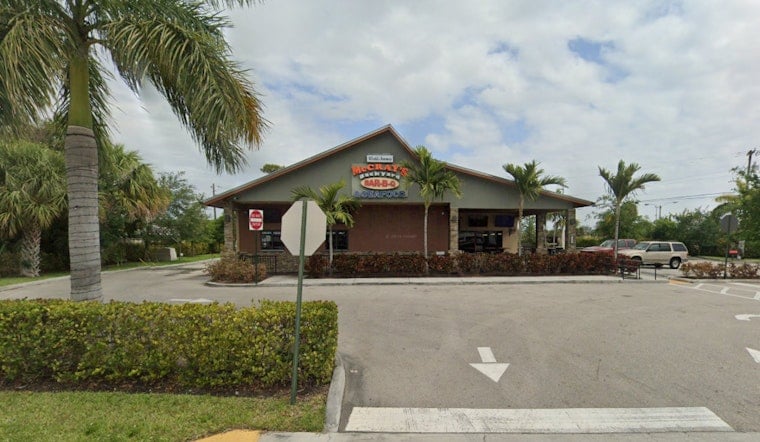
Derrick Marcel McCray, the longtime pitmaster behind McCray’s Backyard Bar‑B‑Q & Seafood in Mangonia Park, has been arrested and charged with a first‑degree felony after state investigators say he collected customers’ sales taxes but failed to turn over nearly $130,000 to Florida. The allegation is a sharp turn for a family‑run spot that has spent generations serving barbecue in Palm Beach County.
According to CBS12, a Florida Department of Revenue probable‑cause affidavit states that McCray’s business reported collecting $150,503.16 in sales taxes between April 2022 and March 2024 but remitted only $28,612.22, leaving an alleged unpaid balance of $129,929.56. Investigators told the station they examined sales tax returns, bank records and witness statements while looking into the business, which they say operated from about October 2021 through December 2023.
What investigators say
The affidavit, as reported by CBS12, concludes there is probable cause to believe McCray intentionally collected sales tax and failed to remit it to the state. It cites bank records that showed the business had funds at certain points that could have covered the liability, and says McCray acknowledged in a recorded interview that he owned and operated the business and "understood sales taxes collected had to be paid to the state."
Longtime local staple
The McCray family traces its barbecue roots back decades, and the restaurant's own site highlights a multigeneration tradition and a sizable catering operation that has served regional events and big sporting gatherings. That profile appears on the business website, McCray’s Backyard Bar‑B‑Q & Seafood, which emphasizes its catering work and community ties.
Legal stakes
Under Florida law, taxes collected by a dealer are treated as state funds, and knowingly failing to remit them can be prosecuted as "theft of state funds" under Florida Statute 212.15. That statute sets escalating penalties by dollar amount, including a first‑degree felony for stolen revenue of $100,000 or more, and gives the department tools such as warrants and garnishments to collect delinquent taxes.
Further court filings and hearings will be public record as the case moves ahead, and any prosecution or potential penalties will ultimately depend on what prosecutors can prove at trial or negotiate in any plea agreement.





