

























































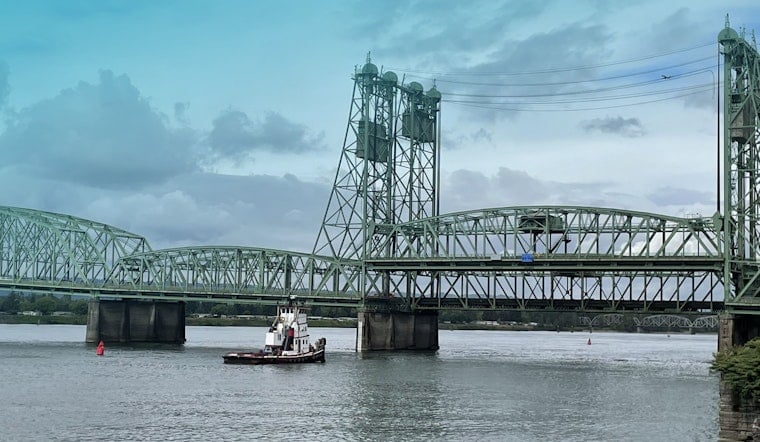
Portland and Vancouver leaders inched a little closer to figuring out who pays to cross the Columbia River, and who might get a break, during a joint meeting on Friday, June 5, 2026. The Washington State Transportation Commission and the Oregon Transportation Commission walked through possible toll discounts and exemptions tied to the long-planned Interstate 5 bridge replacement but stopped short of any votes. For now, the big question of who, if anyone, will be spared the toll is still wide open.
What officials discussed
Staff walked commissioners through a menu of potential exemptions that could apply once tolling starts. Emergency vehicles, school buses, tow trucks and state maintenance vehicles were floated as possible candidates, while another set of categories was flagged as not qualifying for special treatment, including rideshare vehicles, public transit buses and private buses, as reported by KATU.
Commissioners stressed that everything on the table was strictly preliminary. The slides and spreadsheets were described as options, not near-final policy. They said talks over who gets exemptions, who might qualify for discounts and how those programs would actually work will continue as the larger bridge program moves ahead.
Bi-state process and payback
The Oregon Transportation Commission and the Washington State Transportation Commission are operating under a joint tolling framework that gives the two panels shared responsibility for setting toll rates and policies, according to ODOT. In other words, decisions about how much drivers pay will not be made on just one side of the river.
Tolls are being framed as doing double duty: they are meant to help manage traffic patterns on the corridor while also serving as a key revenue source for construction and long-term operations of the new Interstate 5 bridge.
Studies shaping the decision
To keep the conversation grounded in the numbers, commissioners were briefed on a Level 3 traffic and revenue study and on an assessment from the Washington State Office of the State Treasurer and ODOT’s municipal advisor. That assessment focused on whether various modeled toll scenarios can realistically cover the program’s financing needs, according to the Washington State Transportation Commission.
Those analyses are intended to spell out which mixes of discounts and exemptions still line up with bond covenants and revenue targets that will ultimately pay the bills for the project. If the exemptions list grows too long, the financial plan has to be rebalanced somewhere else.
Public comment and the debate ahead
Toll exemptions and discount programs were already lightning-rod issues during the program’s environmental review and public comment period. The Interstate Bridge Replacement Program logged hundreds of comments on tolling in its Final Supplemental Environmental Impact Statement, with equity impacts and worries about traffic diversion showing up again and again, according to the Interstate Bridge Replacement Program.
Program staff expect more outreach and more scrutiny as commissioners try to thread the needle between raising enough money and treating daily commuters, local businesses and transit riders as fairly as possible.
Next steps for commuters
Officials reiterated at the June 5 meeting that they were not ready to lock in policy and that additional study and public input will shape any final exemption or discount rules, as reported by KATU.
Tolling on the existing Interstate 5 bridge has been envisioned as part of pre-completion financing and was expected to begin in spring 2026, according to the Washington State Transportation Commission. For now, Portland and Vancouver drivers can expect more public meetings, more technical material and plenty of debate before it becomes clear which travelers, if any, will end up with discounts or full exemptions when tolling finally starts.




