

























































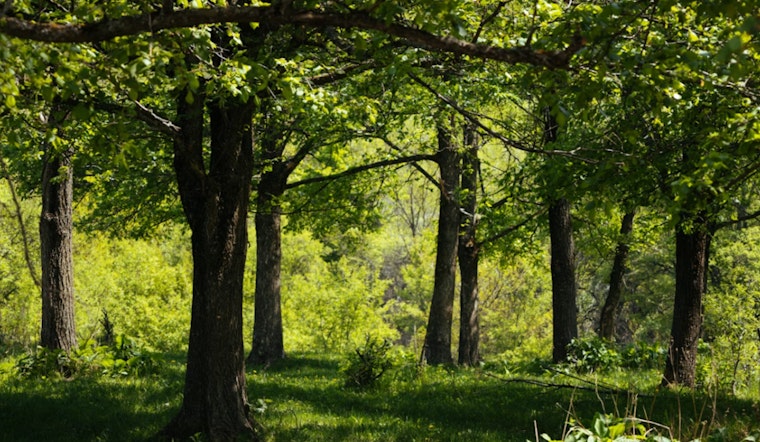
Wilmington has decided its trees are worth serious money. Voters and town leaders have approved nearly $11 million to buy a 63-acre wooded parcel, a move officials say will keep the land off the private development track and firmly under town control. The appropriation follows competing offers for the site that local officials judged undesirable, and it shifts the tract into municipal hands for preservation or other future town-determined uses. Leaders describe the purchase as a way to protect open space while giving Wilmington more say over how growth unfolds.
How the approval came together
The action was first reported by the Boston Business Journal, which said the Select Board signed off on the spending after reviewing proposals for the parcel that the town found unacceptable. The appropriation lined up with Wilmington's 2026 town actions, with the Annual Town Meeting materials posted online for residents. According to the warrant materials from the Town of Wilmington, the May 2, 2026 Annual Town Meeting was the venue where capital and bylaw articles were considered.
Why town leaders moved
Officials told reporters they had received multiple proposals for the 63-acre parcel and concluded municipal ownership was the most prudent choice. As the Boston Business Journal summarized it, the vote would keep the site “from being developed after receiving proposals it did not like.” That framing reflects the Select Board's stated desire to control the parcel's fate rather than risk outcomes it considers out of sync with Wilmington's existing plans.
Financing and next steps
The town has not yet published a full financing plan for the purchase in the public materials linked with the warrant, and details on whether the acquisition will be covered by free cash, borrowing, a debt exclusion, or outside grants have not been posted. Closing on the property and recording the deed will follow the Select Board's formal authorizations and any additional required voter actions. Wilmington posts Select Board agendas and related meeting documents online, and residents can track the land deal's progress via the Town of Wilmington site.
Not an isolated move
Wilmington is not alone in using municipal buyouts to head off private development. Around the region, towns have been stepping in with public dollars to protect open land. Sudbury voters, for example, approved about $11.3 million to acquire a 44-acre camp for open-space and recreation purposes, according to The Boston Globe. Local officials in such cases typically point to long-term conservation, recreational access, and preserving town character as key reasons for these high-dollar purchases.
What residents should watch
Wilmington residents who want to follow this deal should keep an eye on upcoming Select Board and Conservation Commission agendas and check the Town Clerk's records for posted sale documents and any related funding votes. The town continues to post meeting agendas, minutes, and warrant materials online, giving residents a paper trail to watch as the $11 million land purchase moves from approval to closing.


