

























































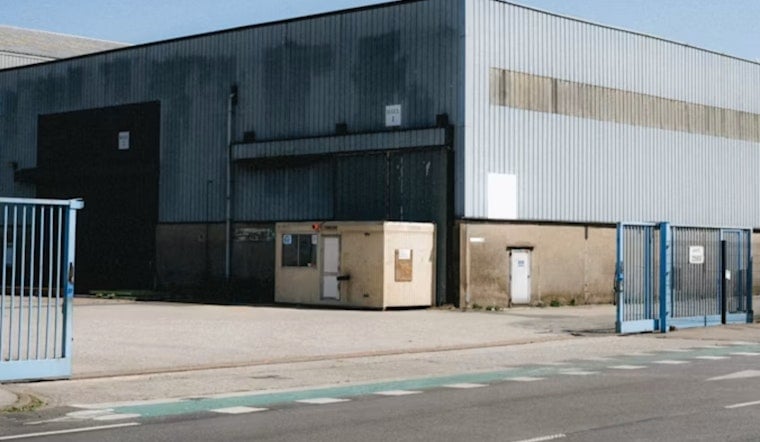
Warehouses and big-box logistics campuses are cropping up across Wilson County, east of Nashville, and developers are treating the Lebanon to Mount Juliet corridor like the metro’s industrial front porch. The building blitz has concentrated a large share of the region’s construction pipeline in the county, shifting where distribution and manufacturing space will hit the market this year.
According to CoStar, industrial construction in Nashville has climbed steadily over the past two years, and roughly 45% of current projects are rising in Wilson County. That share is expected to push the metro’s industrial inventory up by nearly 10%. In a June 30, 2026 report, the firm highlights multiple sites in Lebanon, including a property listed as Building B on the 1600 block of Central Pike, as examples of the county’s expanding pipeline.
Big Projects Already Moving Dirt
Developers are not just sketching site plans; they are moving earth. INDUS has announced a 2.15-million-square-foot, pad-ready logistics park off I-840 and has already started vertical construction on a 507,000-square-foot first building, according to a company release reported by Business Wire. Greystar has also closed on land for a roughly 184,000-square-foot Mount Juliet Logistics building this year, saying the site offers direct access to I-40 and Nashville International Airport.
Developers And Big Parks Are Clustering Here
Some of the largest campuses are already in play. Panattoni’s Speedway Industrial Park, a redevelopment of the former Nashville Superspeedway, is marketing hundreds of thousands of rentable square feet along with direct I-840 access on its property listings. Market research from Matthews shows Wilson County and Southeast Nashville together supplying more than 80% of new industrial space delivered since 2020, underscoring the submarket’s outsized role in regional supply growth.
Why Developers Are Choosing Wilson County
The appeal is straightforward: large, buildable parcels, relatively quick access to interstate highways, and a county government that has kept approvals and permits on a predictable schedule. Regional planning documents outline road and intersection improvements intended to support heavier truck traffic, according to the Greater Nashville Regional Council. Wilson County’s financial filings with the Tennessee Comptroller detail county development boards and capital projects that support industrial expansion. Together, those ingredients make large-format, speculative buildings easier for institutional investors to pencil out.
What It Means For Nashville
Broker and market reports continue to rank Nashville among the country’s stronger industrial performers, with active leasing, solid rent growth and a robust construction pipeline that is reshaping absorption patterns across the metro. Industry research and local coverage from Colliers and the Nashville Business Journal point to steady rent pressure, even as new speculative projects add relief in some of the tightest submarkets.
For county officials, nearby residents and employers, the biggest near-term questions feel familiar: how to handle more truck traffic, where the added workforce will live, and when today’s construction pipelines will translate into on-the-ground jobs. With more pads nearing completion and speculative buildings approaching delivery, more big project announcements and lease signings are likely in the months ahead.




