

























































Floresville-area homeowners confronted state regulators Thursday night, warning that a planned wastewater treatment plant tied to the HK Bella’s Ranch development could send treated sewage into Kicaster Creek and bring E. coli, a lingering stench and a wave of mosquitoes to their neighborhood. Residents said the proposed discharge point would sit about 500 feet from one homeowner’s driveway, and they fear that a single low-water crossing could go under in a flood and cut off access to more than 400 homes. The concern boiled over at a packed public meeting where neighbors demanded alternatives to the current routing plan.
About 200 people packed into the Wilson County Expo Center on June 11, where homeowners including Debi Segovia and Alena Berlanga urged regulators to reject or rework the permit so it would not discharge into private creeks, according to issues raised about the proposed wastewater plant. Berlanga said the group is "not opposed to growth" but wants "responsible, strategic development without a wastewater treatment facility." Several residents had already filed formal comments with the state agency before the meeting even started.
Permit Details And Discharge Plan
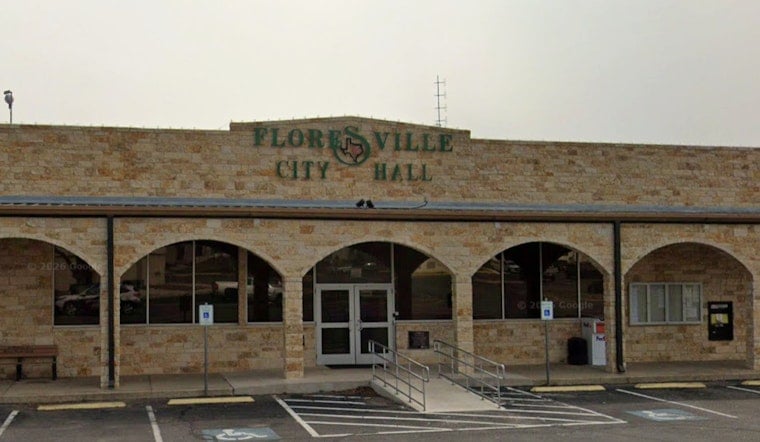
The application, TPDES Permit No. WQ0016844001, comes from HK Bellas Ranch, LLC and would authorize a treated domestic wastewater discharge at a daily average flow of up to 250,000 gallons per day, with the plant sited on U.S. Highway 181 north of Floresville, the TCEQ technical package shows. The draft permit states that treated effluent would be released to Kicaster Creek, then to the San Antonio River, and notes that the agency’s executive director has prepared a preliminary decision and a draft permit that are available for public inspection. The technical package and draft permit are posted online and can also be reviewed at Floresville City Hall.
Neighbors Offer Fixes And Warn Of Fallout
Residents at the meeting floated several changes meant to keep wastewater out of neighborhood creeks. Suggestions included routing the pipeline under U.S. Highway 181 to send effluent directly to the San Antonio River, adding vegetation around the plant to help cut odors and noise, and shielding exterior lighting from nearby homes, residents said at the meeting. Homeowners also raised public health concerns, citing E. coli and increased mosquitoes, and warned that heavy rains could flood Kicaster Creek and strand a neighborhood of more than 400 homes. Local resident Debi Segovia said neighbors are prepared to sue if state regulators do not change the routing.
What Happens Next At TCEQ
The TCEQ held the meeting because residents filed comments, and the agency will collect formal comments, prepare a written response to comments (RTC) and consider those remarks before making a final decision, according to the public meeting notice. Members of the public can submit written comments online or by mail, and the RTC will be mailed to anyone who submitted written or formal comments at the meeting. If parties raise timely, relevant and material issues, they may be eligible to request a contested case hearing under TCEQ rules.
Why The Fight Feels Familiar
The Wilson County dispute echoes larger fights in the San Antonio region over where treated effluent should be discharged, most notably the long and contentious battle over the Guajolote Ranch permit in northwest Bexar County that drew legal challenges and opposition from officials, as reported by the Express-News. Those earlier debates showed how quickly permit reviews can snowball into appeals and court filings when neighbors and local governments clash over risks to creeks and aquifers.
For now, Wilson County neighbors say they will keep pressing the state with written comments and possible legal action while they wait for the TCEQ response. The agency’s calendar shows the permit is still in the public review stage and that no final permit has been issued.




