

























































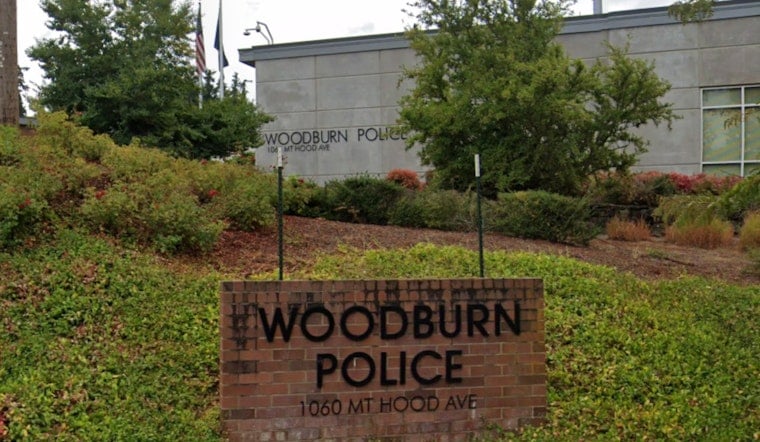
Woodburn has pulled the plug on its Flock Safety license-plate camera network after a city audit confirmed that federal immigration agencies were able to query the system’s data. The move follows months of organizing in the majority-Latino city and a council-ordered pause last fall. City leaders say shutting the cameras off is a defensive play while they sort out what policies and technical guardrails would actually keep residents safe.
Audit shows federal agencies queried Woodburn data
An internal review by the City of Woodburn found that Homeland Security Investigations ran 175 searches that swept through databases including Woodburn’s network, while U.S. Border Patrol ran 209 similar queries in separate time windows during spring and early summer 2025. According to the audit, those searches typically used Flock’s broad "National Lookup" feature, which pulls from thousands of agency networks and tens of thousands of cameras, rather than targeting Woodburn alone. The findings are detailed in a report from the City of Woodburn.
How the access happened
City officials say the National Lookup feature was switched on during a six-month pilot without Woodburn’s knowledge. The police department disabled that feature in late October 2025, and all Flock cameras were mechanically turned off in November. According to OregonLive, Flock later told the city in mid May that the company had removed the cameras from Woodburn altogether. That sequence of quiet access, internal auditing and eventual removal solidified residents’ worries that what was billed as a local crime-fighting tool had quietly become part of a federal dragnet.
What Flock records and what it says it does not
Flock’s system photographs passing vehicles and logs a car’s license plate, make, model and color. The company, including in its public-facing materials, insists the cameras "do not capture drivers’ faces" and do not perform facial recognition. Auditors cautioned, however, that search tools designed to let agencies look statewide or nationwide effectively make local scans available across the broader Flock network, expanding who can query that back-end data. Public rules for how the system is supposed to be used, along with a usage dashboard for the now-shuttered Woodburn deployment, are posted by Flock Safety.
Why Woodburn pulled the plug
The takedown comes after months of public testimony and organizing in Woodburn, which has a large Latino and foreign-born population. Residents and advocates repeatedly warned that even indirect access by federal immigration agencies could turn a traffic camera network into a tool for immigration enforcement. Other Oregon cities, including Eugene, Springfield and Bend, have already paused or ended their own Flock contracts after similar audit findings. Advocates have been pushing for tighter limits on these systems, as reported by OPB.
Police say the tech helped in some investigations
The city’s audit notes that Woodburn Police tapped Flock data in roughly 354 investigations out of about 1,910 cases while the cameras were active. Officers said the technology contributed to numerous outcomes, including 16 arrests and the recovery of nine stolen vehicles. Even so, city officials have signaled they will not flip the switch back on without another full City Council debate. Those statistics come from the City of Woodburn, while reporting by the Woodburn Independent outlines the administration’s next steps.
Legal context
Oregon’s sanctuary-law framework limits how much local agencies can cooperate with federal immigration enforcement, and that backdrop shaped the council’s decision to pause the system last fall. Privacy and immigrant-rights groups say the Flock audit highlights a gap in those protections: even if local officers follow state rules, vendor features like National Lookup can still make local data effectively searchable nationwide in ways state law has not fully caught up with. Advocates and some lawmakers are now weighing stricter procurement standards or new statutes to close that gap, according to the ACLU of Oregon.
City officials say a future council discussion will decide whether any surveillance program returns to Woodburn and what safeguards would be attached if it does. For now, the cameras are down, and the audit is already fueling broader policy talks at both the city and state level. OregonLive reported the removal and the city’s latest statement on Friday.





