

























































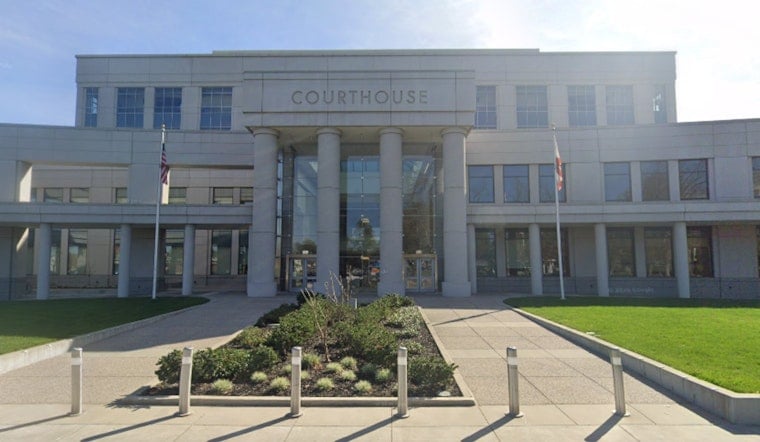
In a sharp turn away from traditional competency restoration, a Yolo County Superior Court judge on Friday refused to send Michael Angel Lopez back for more treatment aimed at restoring his competence to stand trial and instead pushed his case into California’s CARE Court process. Judge Clara Levers shifted Lopez to a straight own-recognizance release, set a CARE Court status hearing for Sept. 4 in Department 9, and ordered him to obey all laws while remaining subject to searches for controlled substances and paraphernalia.
Court Treats Hospital Evaluations as a Petition
As reported by Davis Vanguard, Judge Levers directed that a March 24 psychiatric evaluation by Dr. Sanchez Barker and a June 4 court report (conrep) be treated as the petition that launches CARE Court proceedings. That June conrep recommended commitment to the Department of State Hospitals, but instead the court used its own motion to make the CARE Court referral.
Prosecution and Defense Clash Over Treatment Path
Prosecutors argued that Lopez would not participate in outpatient treatment and told the court he was not a good candidate for community-based care. Defense counsel countered that another attempt at state-hospital restoration would probably fail, pointing out that Lopez had already spent roughly three years at Napa State Hospital and has a long criminal history.
“It’s not in the interest of justice to restore him to competence,” Judge Levers said in her ruling, according to Davis Vanguard. She set the Sept. 4 status hearing to check in on how the CARE Court process for Lopez is moving and to decide what should happen next.
What CARE Court Does
CARE Court is a civil process created to connect people with certain psychotic disorders to court-supervised treatment, services and supports that aim to stabilize participants and cut down on repeat hospitalizations or jail stays. Eligibility rules, the petition process and how evaluations or reports can be used to kick off a case, as well as how CARE agreements or plans are reviewed by a judge, are detailed in state guidance and by the CARE Act Resource Center.
Local Process and Next Steps
According to the court’s own website, Yolo Superior Court is already accepting CARE Act petitions. With Judge Levers treating Lopez’s March evaluation and the June conrep as a de facto petition, county behavioral health staff may be asked to prepare a CARE plan ahead of the September hearing.
On Sept. 4, the court is set to review whether Lopez meets CARE eligibility and may adopt a CARE agreement, order more evaluation, or look at other options. Those options include referring him back to higher levels of care if needed, in line with local procedures described by Yolo Superior Court.
Legal and Community Implications
The referral in Lopez’s case underscores a larger statewide tension: California is trying to steer people with severe mental illness away from jails and hospitals even as disability-rights advocates warn that CARE Court can be coercive and underresourced. Disability Rights California has criticized how the CARE Act is being rolled out, warning that it can fall hardest on marginalized communities while still not guaranteeing housing or long-term services. Advocates say those gaps are exactly what counties have to confront as more cases, including Lopez’s, move into the new system.




