

























































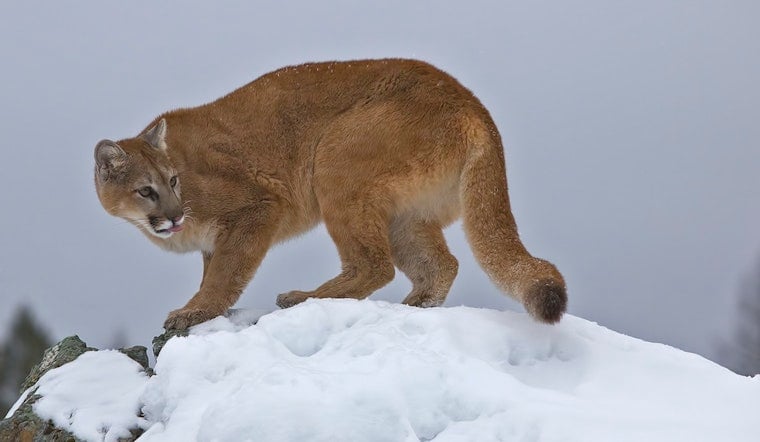
On Tuesday a viral Nextdoor post sent a Lemon Hill block into a brief panic after a user claimed a mountain lion was prowling a backyard. By the time state wildlife officials weighed in, the supposed big cat had been exposed as an AI-edited domestic house cat. Neighbors near Fruitridge Road and Stockton Boulevard scrambled as the post spread, and the episode stirred fresh worries about doctored wildlife clips fueling fear on neighborhood apps.
Officials Quickly Call Out the Fake Cat
The post, which featured two short videos and two still images, went up on Nextdoor on Tuesday and by Wednesday had drawn more than 300 likes, about 100 comments and over 200 shares, according to Abridged 2D PBS KVIE. Peter Tira, a spokesperson for the California Department of Fish and Wildlife, told that outlet, "It's fake," after the department's human-wildlife conflict team reviewed the footage. The team concluded the images were an AI-edited picture of a domestic house cat, flagging inconsistencies in the animal's size, movement and body shape.
Why Authorities Still Treat Every Tip as Real
The California Department of Fish and Wildlife notes that mountain lions are native to the state, although confirmed sightings in densely populated neighborhoods are uncommon and attacks on people remain rare. Even so, officials say they will investigate credible reports so that trained wildlife staff can assess risk and determine whether a field response is needed.
How to Report Wildlife Without Fueling Hoaxes
Peter Tira warned that "fabricated reports generated through AI or other computer-assisted programs often generate fear, waste taxpayer resources and are a huge disservice to the community," according to Abridged 2D PBS KVIE. The Nextdoor post also falsely claimed CDFW had confirmed the sighting. The agency said it had not and moved on after reviewing the footage. The incident highlights how quickly manipulated images can force agencies to divert staff time from genuine incidents.
As outlined by the California Department of Fish and Wildlife, call 911 if a wild animal appears aggressive or poses an immediate threat, and use the department's Wildlife Incident Reporting system for non-emergency sightings. If you capture photos or video, save the original files and share them directly with authorities rather than reposting unverified clips that could spread fear or trigger unnecessary field checks.



.jpg)