

























































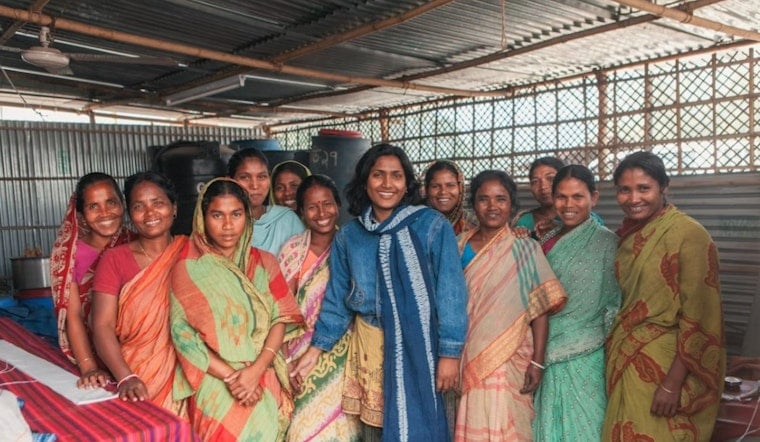
At least one million women and girls have seen the door slam shut on shelters, hotlines and clinics they once relied on, according to UN Women, which says a wave of funding cuts is wiping out life‑saving support. Shelters, survivor services and reproductive‑health programs are shrinking or closing outright, while local women‑led groups that run safe spaces and hotlines are pushed past their limits. All of this is happening even as demand for protection and health services surges worldwide, the agency warns.
UN Women’s latest global analysis, based on a survey of women‑led organizations, found that roughly 40% of the groups it contacted are at risk of shutting their doors within a year. About 60% reported they are now reaching fewer women than they did before January 2025, and more than three‑quarters have cut staff, with many workers reportedly staying on without pay, according to Reuters. The same analysis concluded that at least one million women and girls have already lost access to life‑saving support over the last year.
What UN Women’s Research Shows
UN Women’s own assessments over the past 18 months have been sounding the alarm on the same pattern. The agency finds that small, local women’s organizations receive only a sliver of humanitarian funding, which leaves them especially exposed when donors pull back. Its reports detail how cuts hollow out shelters, psychosocial services and violence‑response programs, and trace the ripple effects on prevention efforts and access to justice for survivors, according to UN Women.
U.S. Aid Shifts Have Amplified the Squeeze
Analysts say major reductions in U.S. foreign assistance, paired with a reshuffling of aid channels, have helped create the shortfall now hammering frontline groups. A timeline of executive actions and proposed rescissions compiled by KFF tracks billions of dollars in program changes that have disrupted long‑running funding streams to U.N. agencies and local partners.
Where Services Are Already Unraveling
In conflict zones, the impact is stark. UN Women’s field analysis of the Gaza conflict has cited tens of thousands of women and girls killed or injured and nearly one million displaced, with sharply reduced access to health care, protection services and safe spaces. Similar breakdowns in services have been reported in Yemen, Sudan and other severely underfunded emergencies, according to briefings from UN Geneva.
The Human Cost and Calls for Action
Aid workers and UN Women officials say the funding retreat strips away the basic lifelines that help survivors, displaced mothers and girls forced out of school to stay safe and rebuild their lives. Sofia Calltorp, who leads humanitarian action at UN Women, told Reuters that pulling support now removes exactly the services people need to survive and recover, and she urged donors to restore flexible funding for local, women‑led organizations.
What Donors Can Do Now
UN Women and partner researchers are pressing for a rapid course correction. They recommend restoring flexible, multi‑year funding; directing more resources straight to women‑led organizations; and ring‑fencing survivor services so shelters and hotlines stay open even when political priorities shift. Those steps, detailed in recent assessments and guidance from UN Women, argue that targeted donor action can still halt the slide and protect the services that keep women and girls alive.





