

























































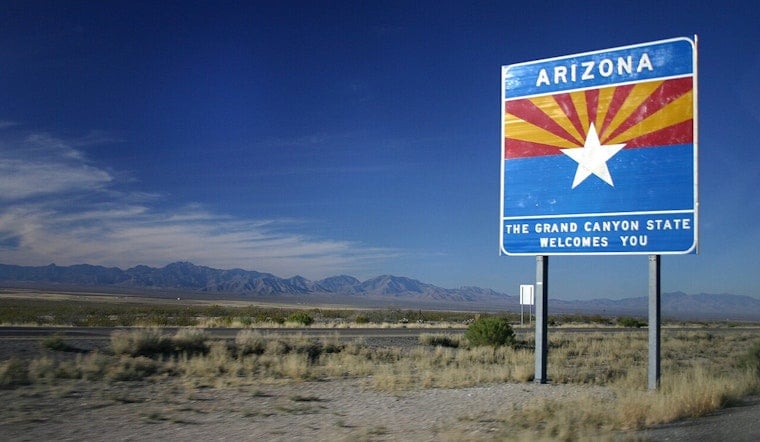
Arizona hit a speed bump in CNBC’s latest America’s Top States for Business rankings, slipping a few spots after the study put more muscle behind its infrastructure criteria. The dip comes even as the state keeps reeling in major corporate investments and pouring resources into workforce training.
As reported by the Phoenix Business Journal, Arizona fell a couple of positions in CNBC’s 2026 list, a decline the outlet tied to infrastructure shortfalls and broader economic concerns. CNBC’s national study, which The Washington Post covered, named Ohio the top state overall and highlighted category weighting changes that shuffled many states’ standings this year.
It was not all bad news. Arizona continues to post strong results on workforce measures while landing big projects that depend on skilled labor. The Arizona Commerce Authority logged roughly $34 billion in announced investment and nearly 28,000 projected new jobs in 2025, and companies such as TSMC have rolled out apprenticeships and hiring pipelines to staff expanding fabs around Phoenix.
Where Arizona Stumbled
CNBC increased the weight of its infrastructure category this year, and outlets like Axios report that the shift scrambled the leaderboard. That change put a brighter spotlight on Arizona’s weaker infrastructure metrics. Local reporting has pointed to transportation bottlenecks, lengthy permitting timelines and questions about utility readiness as pressure points for a state growing faster than some of its systems can keep up, a pattern noted by the Phoenix Business Journal.
What This Means For Local Projects
For companies scouting sites, the condition of roads, power infrastructure and permitting offices can matter just as much as a glossy ranking. Shortfalls in those areas can complicate efforts to recruit marquee manufacturing plants and data center projects.
Arizona officials and economic development partners counter that last year’s record investment haul and growing workforce programs give the state a strong base to fix those chokepoints. The Arizona Commerce Authority points to that capital and talent pipeline as evidence that the state has tools in hand to close its infrastructure gaps.
The challenge now is straightforward, if not simple: turn big project wins and training initiatives into visible improvements in permitting, transportation and utilities so the state’s workforce edge translates into more facilities and paychecks. For Arizona businesses and local officials, CNBC’s ranking reads less like a final grade and more like a checklist of where public and private leaders need to focus next.





