

























































After 41 years of cycling in and out of jail, Atlanta organizer Marilynn Winn has finally landed a state pardon, opening the door for her to seek restriction of a decades-long arrest record and apply for steady work without being automatically tossed aside. At 75, she is calling it a long-delayed fresh start after a life spent juggling activism with repeated returns to the criminal justice system.
Winn said she "spent 41 years in and out of the system" and that she was sent to prison eight times for shoplifting, a pattern that repeatedly wrecked her chances at employment. She told reporters she cycled through roughly 18 jobs, only to be fired once employers ran background checks, according to CBS Atlanta.
Legal Help And Record Clearing
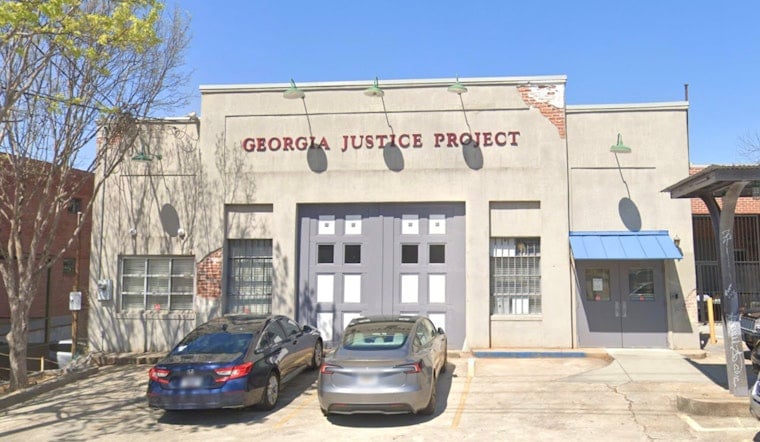
Winn did not navigate the pardon process alone. Her clemency petition was prepared with help from the Georgia Justice Project, which provides pro bono clinics and direct support for people seeking pardons and record restrictions. The group runs monthly "First Fridays" sessions that walk people through who is eligible and how to complete petitions and sealing requests, according to Georgia Justice Project.
Ban The Box Removed An Early Hurdle
Long before her own pardon came through, Winn helped push for "ban the box" policies that removed criminal history questions from state job applications, making it harder for a past conviction to kill an application at first glance. That win was limited, though. The executive order that created the policy for state agencies took effect in 2015, and legal guides note that it does not extend to most private employers, who can generally still ask about convictions on initial applications, according to FindLaw.
What A Pardon Does, And Does Not
A pardon from the State Board of Pardons and Paroles is an official act of forgiveness. It does not wipe convictions off a person’s record. Instead, it can make someone eligible to ask a court to restrict public access to their records under Georgia law. The Board explains that pardons become part of the official criminal history, and that applicants usually must have completed all sentences at least five years earlier and have no pending charges, according to the State Board of Pardons and Paroles.
From Activist To Advocate
Winn co-founded the grassroots group Women on the Rise and has spent years organizing around reentry, parole reform and survivor justice, helping push fair-chance hiring and other local reforms into the spotlight. The group’s history cites wins that range from early "ban the box" campaigns to the passage of survivor justice reforms, according to Women on the Rise.
Winn has said she hopes the pardon will make it easier to find stable work and keep building that organizing work. Advocates point to her case as an example of how legal support combined with policy change can shift the trajectory for people with long criminal histories. For Georgians seeking similar relief, the Georgia Justice Project’s clinics and materials remain a common first stop for guidance on pardons and record-restriction options, according to Georgia Justice Project.





