

























































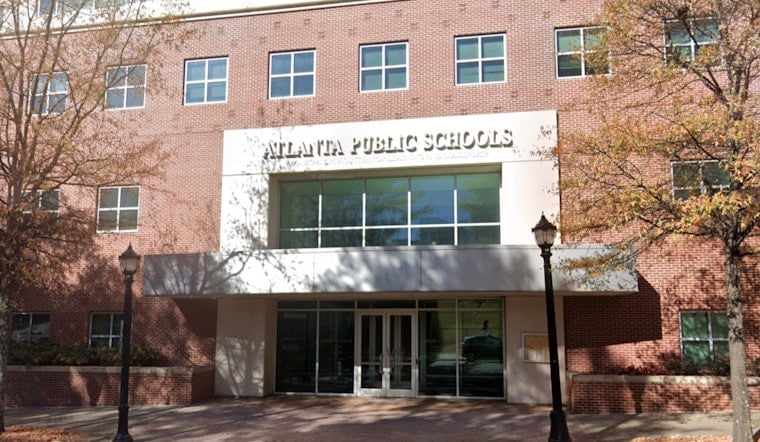
A state-funded artificial intelligence reading screener is putting Atlanta parents in an uncomfortable back-to-school bind: accept a digital assessment for their kindergartners, or push for a paper alternative that schools are still figuring out. The program, Amira, listens as children read aloud and is used to identify students who may be at risk for dyslexia or other reading difficulties. The debate is less about whether early reading help matters than about how much data a five-year-old should have to hand over to get it.
Parents told The Cool Down that they were uneasy about their children’s voices, images and personal information entering an AI system. Atlanta Public Schools board chair Jessica Johnson said families had asked whether the tool might create lasting “personal imprints,” while former teacher Carolyn Boyd questioned whether schools should be using children’s data to improve AI models at all.
According to Atlanta Public Schools, Amira is a computer-based assessment in which students wear headphones and read aloud while the software uses speech recognition to measure early literacy skills. APS says all students in kindergarten through third grade take the screener three times each year, with results intended to help teachers and families identify where additional support may be needed.
Georgia Is Paying For The Screener
The state’s role is a major reason opting out has become complicated. The Georgia Department of Education says it and the Governor’s Office of Student Achievement are partnering with Amira as Georgia’s free universal screener provider, while parents told The Cool Down that the state funding arrangement makes the process feel less like a simple classroom software choice.
Amira describes its product as a dyslexia risk screener rather than a final diagnosis. The company says the platform analyzes oral reading and other early literacy measures, including phonological awareness, letter knowledge and rapid naming, to flag students who may need interventions or further evaluation.
What Happens To A Child’s Voice
The privacy questions are not imaginary. In Amira’s privacy policy, the company says it collects student voice recordings during in-school use, retains those recordings and uses them to analyze reading ability and personalize instruction; it also says recordings may be used for new product development when appropriate consent is required.
Amira’s separate security materials say the company does not sell student data, create voiceprints for identification or send student information to public AI platforms. The company also says recordings are stored in de-identified form, no personally identifiable information is used to train its models, and districts can disable audio collection, though doing so may reduce the tool’s functionality.
The State Requires Screening But Not A Single Brand
Georgia’s education rules require public schools to administer a universal reading screener to every student in kindergarten through third grade three times per school year, and approved universal screeners also function as dyslexia screeners. The rules require parental consent for additional individual diagnostic assessments, but they do not turn a universal screener result into a dyslexia diagnosis by itself, according to Georgia’s education regulations.
That distinction matters for families who fear a computer-generated label could follow a child. A screening result is supposed to guide intervention and further review, not replace a teacher’s judgment, a parent’s knowledge of the child or a fuller evaluation when one is warranted.
APS Says A Paper Option Is In The Works
APS told The Cool Down that Amira includes a paper-and-pencil option and that the district was working with Amira and the Georgia Department of Education to finalize a process for families who want an alternative to the digital assessment. Until that guidance is clear, Atlanta parents are left asking a very basic question: If the state requires screening, why should the only practical path involve recording a kindergartner’s voice?
The answer may ultimately be a compromise—early screening with less technology, clearer retention rules and a straightforward alternative for families who do not consent to audio collection. For now, the Amira dispute is an early test of whether Georgia’s push for faster literacy intervention can keep pace with parents’ expectations for transparency and control.





