

























































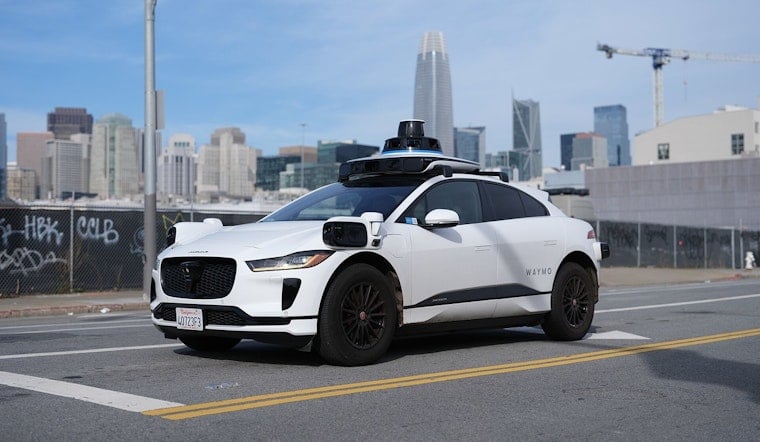
Atlanta rideshare drivers say their earnings have fallen off a cliff since driverless taxis rolled into town, with several telling local reporters their take-home pay has dropped by roughly half over the past year. Now they are taking the fight public, with a rally planned at Historic Fourth Ward Park on Thursday as organizers press elected officials and app companies to step in. The standoff comes as Waymo ramps up its robotaxi footprint and platforms like Uber deepen their autonomous vehicle partnerships.
Drivers say pay has dropped
For many drivers, the shift to automation feels less like innovation and more like eviction from their own jobs. Bob Chouhan told reporters that automation is "threatening our livelihood" and accused companies of putting "profits over people." As reported by FOX 5 Atlanta, multiple drivers say a one-two punch of algorithm tweaks and the arrival of Waymo robotaxis has meant fewer matches and lower hourly earnings. They say the squeeze is already forcing changes in when they work and how long full-time drivers can afford to stay on the road.
Rally planned for Thursday
A coalition that includes drivers, the Atlanta Rideshare Drivers Union and several community groups plans to rally Thursday at 4 p.m. in Historic Fourth Ward Park, according to an event listing. The Action Network post says organizers want a moratorium on additional autonomous deployments until economic fallout is addressed and concrete protections are in place. Sponsors are also demanding public oversight of the surveillance and data systems that come bundled with these technologies.
How Waymo fits in
Waymo started sending driverless cars to Atlanta riders last year through a partnership with Uber, and industry coverage shows the company is moving quickly into new cities. Axios reported that Waymo has sped up its nationwide rollout and that, in Atlanta and Austin, its vehicles have been busier than most human drivers, a sign of how a surge in autonomous supply can reshape local matching dynamics. Drivers in Atlanta say that being passed over more often by dispatch algorithms, combined with more plentiful AVs, is already shrinking their available hours and their paychecks.
Data: early signs of pressure
Independent data suggests what Atlanta drivers describe is part of a broader pattern. Gridwise reported in its 2026 AV Impact Report that trips per hour fell faster in cities with active autonomous fleets, down 5.3% in Q4 2025 compared with a 2.6% national decline. The report also found earnings pressure in several rollout markets. It does not single out Atlanta as having the steepest declines, but it lays out the kind of localized disruption that can follow large autonomous deployments and helps explain why drivers and labor allies are shifting from complaints to coordinated action.
Companies push a phased approach, drivers want a say
Uber, for its part, is pitching a slow-and-steady strategy. The company says autonomy should be introduced carefully, with safeguards to protect both rider experience and worker opportunity. In a company release, Uber outlined tools and partnerships that it says will fold AV fleets into the platform while supporting existing operations.
Drivers are not convinced. Lisa Ramsey told FOX 5 Atlanta that "we should have a say in our future" as automation grows. Organizers say Thursday's rally is designed to push city leaders to grapple with the economic fallout, not just the tech hype. How officials and platforms respond will determine whether this stays a local dust-up or turns into the opening round of a larger policy fight over what work looks like in an on-demand, increasingly driverless world.





