

























































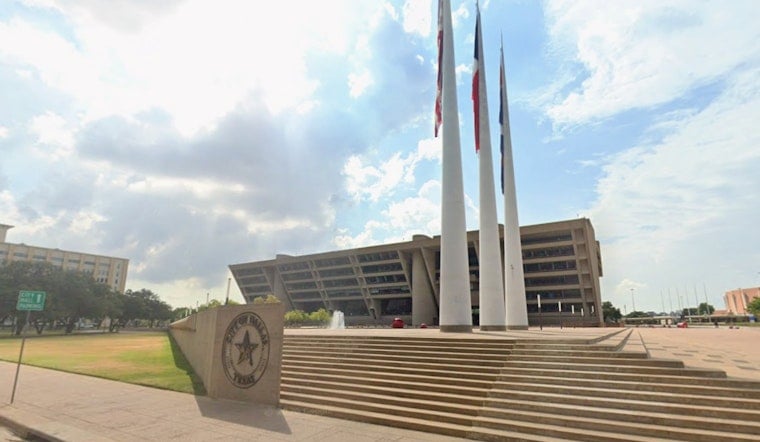
Dallas' newly merged Transportation and Public Works department just got a tough review from outside auditors, who say weak contract oversight, shaky recordkeeping and loose payment controls could waste tax dollars and slow down basic street work. The independent audit, released Wednesday, looked at how the department operated from fiscal years 2023 through 2025 and called for sweeping changes. City officials said they accepted most of the recommendations and expect many of the fixes to be in place by 2027.
Audit details: records, payments and contracts
According to The Dallas Morning News, auditors found unreliable records for city vehicles and equipment, inspection logs that were missing or so hard to read they were essentially useless, and invoices that were paid before anyone confirmed the work had actually been done. The report also flagged missing approval documentation and situations where a single employee had too much control over purchasing. On top of that, contract oversight responsibilities were split among different teams, which led to uneven and inconsistent review of vendors.
Merger context and who conducted the review
The audit grew out of an organizational shakeup announced by the City Manager’s Office in July 2024 that merged transportation and public works into a single Department of Transportation and Public Works. Per the City Manager’s Office, the new department requested a third-party review after the consolidation, and the city hired an outside firm to do the work. The Office of the City Auditor's briefing materials show that the auditor’s office routinely co-sources specialized reviews with outside firms, which is what happened here.
Recommendations and the city's response
Auditors issued 42 recommendations aimed at centralizing contract management, tightening payment and approval rules, and improving documentation so the department can prove what work was done, when it was done and how much it cost. As The Dallas Morning News reports, the city agreed to 40 of those recommendations but did not commit to two suggestions that would require extra reviews of large contractor invoices and formal tracking of unfinished work. Officials also said the merger could ultimately generate about $1.5 million in savings and laid out a multi-year schedule for putting the fixes in place.
What this means for streets and projects
When records are incomplete and contract oversight is scattered, it is harder to spot problems before they turn into stalled bids, delayed repairs or surprise cost overruns. The audit’s push for a single, centralized contract management process and clearer approval limits is meant to cut down on billing disputes and make it easier to hold contractors accountable on road and drainage projects.
For now, the audit is more of a roadmap than a quick repair. City staff still need to modernize inventory and fleet tracking, shore up purchasing approvals and show that consolidating departments actually improves transparency instead of hiding problems. The auditor’s office plans to follow up on the implementation timelines and report progress to council committees as changes roll out, and residents should expect regular status updates as the recommendations are put to the test over the next year and beyond.





