

























































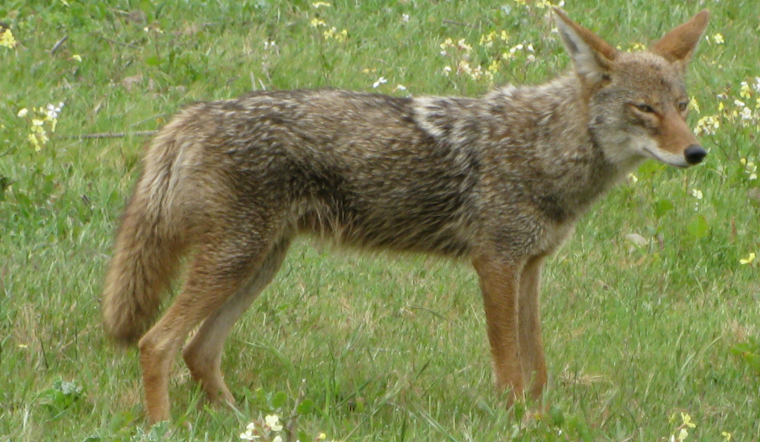
Two coyotes strolling through Orlando's Audubon Park neighborhood have residents talking, worrying, and locking the cat door. A short video shared among neighbors shows the pair trotting along residential streets near Chelsea Place and Chelsea Street, and some locals fear small pets could pay the price. One resident told neighbors that a cat was reportedly killed in a recent encounter, sparking a heated back-and-forth over what, if anything, people should do. State wildlife officials say the focus should be on simple precautions that lower the odds of a bad run-in.
As reported by ClickOrlando, community correspondent Ashley Garrett wrote that local resident Becky Booker shared video of two coyotes near Chelsea Place and Chelsea Street and said a neighbor's cat was killed. Booker told the station some neighbors suggested lethal options - “People saying we need to get rid of them… We’ve got BB guns we can shoot ’em,” - but she said she does not support that approach. Booker also noted she keeps small pets at home and has been urging caution among neighbors.
FWC urges simple pet-safety steps
Per the Florida Fish and Wildlife Conservation Commission, coyotes are now found in all 67 Florida counties, and most run-ins trace back to easy food sources or animals that have stopped being wary of people. To cut down on trouble, the agency recommends walking dogs on short leashes where coyotes have been seen, checking fences for gaps, and keeping small pets indoors, especially in neighborhoods reporting coyote activity. FWC notes that wildlife assistance biologists are available to talk communities through their options when conflicts keep popping up, and residents are urged to report aggressive animals through regional FWC contacts.
Not an isolated trend in Orlando
As recent backyard coyote attacks cat coverage show, neighbors across Orlando have been reporting bolder coyotes and pet losses in backyards. Local accounts and reporting suggest sightings are surfacing in multiple neighborhoods, drawing similar advice from officials and extension experts about how to coexist without turning pets into targets.
Experts: prevention beats removal
University of Florida/IFAS Extension materials say broad relocation or eradication efforts usually fall flat, since coyotes from surrounding areas quickly move into cleared territories. Instead, the guidance is to focus on specific problem animals if necessary and to make the neighborhood less inviting in general. Extension and wildlife experts emphasize habitat tweaks like securing trash and pet food, repairing fences, and using active hazing tactics such as loud noises, air horns, or motion-activated sprinklers to reinforce coyotes’ natural wariness of people. Those steps help cut the risk to small pets while steering residents away from risky or illegal do-it-yourself solutions.
Legal and safety reminders
Per the Florida Fish and Wildlife Conservation Commission, hunting and trapping coyotes is legal year-round on private lands, although certain methods, such as steel traps, may require FWC permits. Still, trying to shoot or otherwise remove animals in a residential neighborhood raises serious public-safety and legal concerns. Officials advise residents to contact FWC regional offices or local animal-control authorities before taking any action and to report any coyotes that seem fearless or aggressive toward people or pets.
For now, neighbors say they are sticking to the basics: keeping cats indoors, walking dogs on shorter leashes, and checking yards for weak spots in fences. Anyone who does encounter an aggressive coyote is urged to bring pets inside or secure them immediately and then call local animal control or FWC so biologists can determine whether targeted action is needed.



